PE Films: Types, Applications and Selection Guide
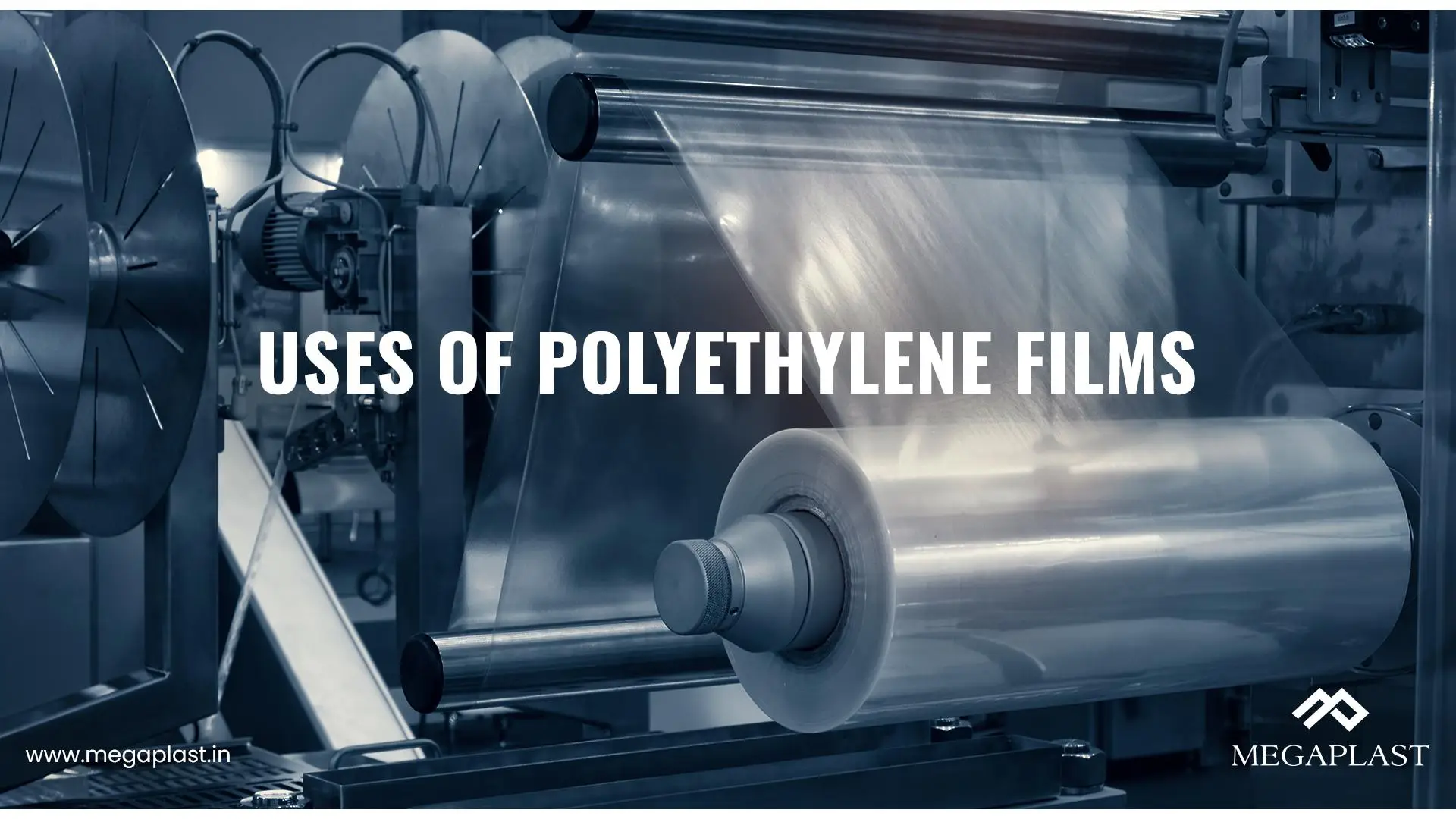
Polyethylene (PE) films are versatile, cost-effective materials used across
industrial packaging, agriculture, and civil projects. This guide summarizes
common PE film types, typical applications, and practical selection criteria
to help engineers, procurement teams, manufacturers, and farmers choose the
right solution for their projects.
Common PE Film Types and Where They Are Used
Industrial and Retail Packaging
PE films used for packaging protect goods from dust, moisture, and surface
damage during storage and transport. Megaplast’s range for this sector
includes solutions for bulk and consumer packaging. Explore the
Industrial Packaging
portfolio for options such as
FFS Films
,
Stretch Hood Films
,
and other roll films.
Typical applications included are:
- Pallet Wrapping and Load Unitising:
Securing palletised loads for safer and more stable transport.
- Protective Covers:
Protecting manufactured components and finished goods from dust,
moisture, and surface damage.
- Food and Consumer Product Packaging:
Packaging applications where hygienic film formulations are required.
Selection tip:
Choose LLDPE or LDPE grades for high cling and elongation. Consider machine
compatibility, such as FFS lines or automated stretch wrappers, when
specifying film format and thickness.
Stretch and Protective Films
Stretch and hood films provide load containment and weather protection for
palletised goods. LLDPE-based stretch films deliver the elongation and
load-holding properties needed for pallet stability.
For heavy or irregular loads, consider higher-performance multilayer films
available through industrial packaging product lines.
Agricultural Films
Agricultural applications include mulch films, silage films, and water
containment. Megaplast’s agricultural range covers these needs. For example,
Pond Liners
are specified for fish ponds, irrigation reservoirs, and farm water storage.
Key features for agricultural use include:
- UV-Stabilised Formulations:
Designed to extend field life under sunlight exposure.
- Puncture Resistance:
Helps reduce the risk of damage from stones, roots, and other site
conditions.
- Flexible Grades:
Suitable for applications requiring conformability to uneven surfaces.
Geomembranes and Industrial Liners
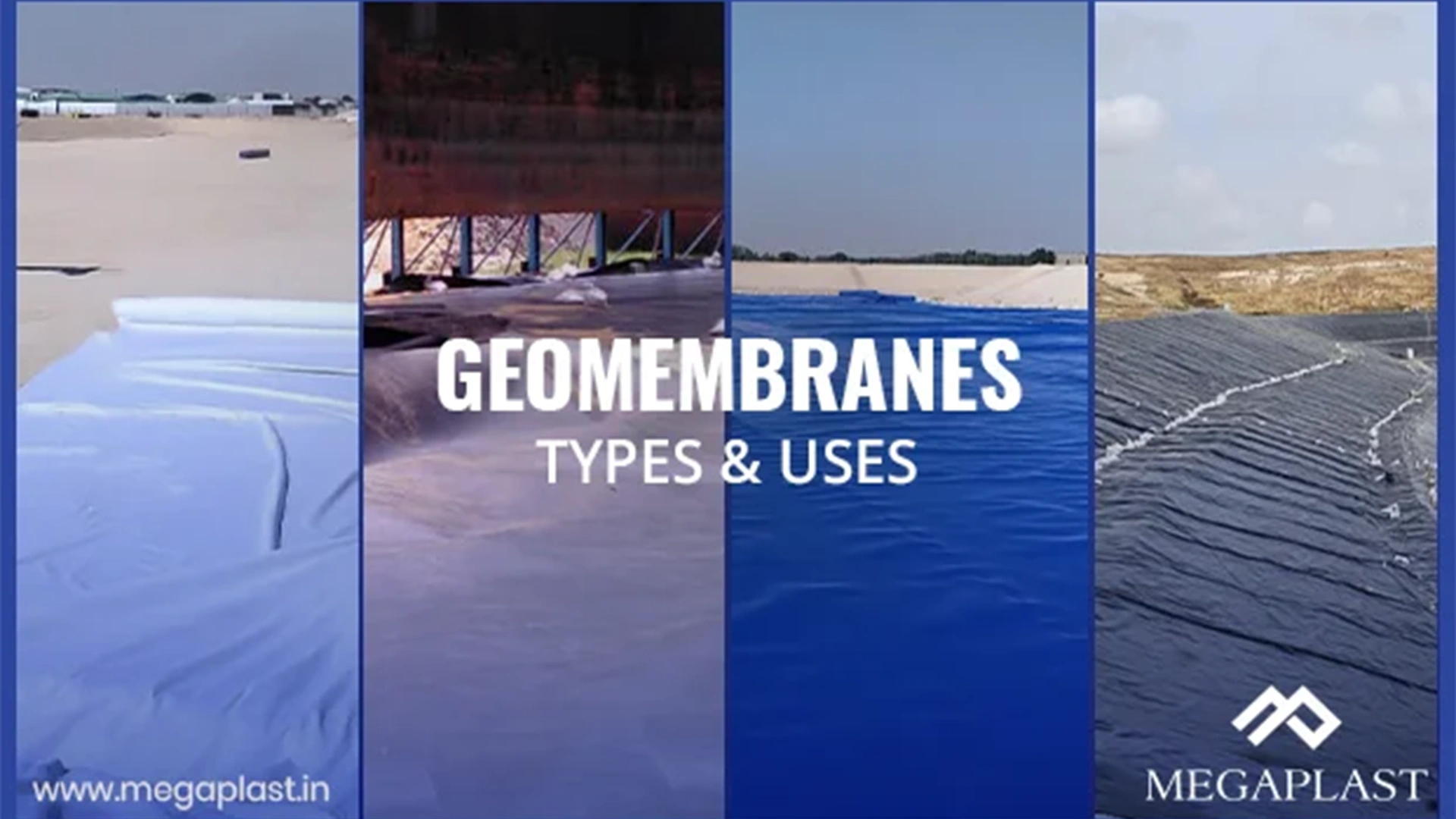
For civil, environmental, and industrial containment, geomembranes
(
MegaLiners) provide impermeable barriers. Megaplast’s
MegaLiners
are offered in smooth, single-textured, and double-textured variants.
Product families include
HDPE Liners
,
positioned for strength and chemical resistance, including the Mega Diamond,
Mega Platinum, and Mega Gold series.
Megaplast also offers
LLDPE Liners
,
chosen for flexibility and elongation in dynamic or settlement-prone
installations such as landfill caps, leach pads, and floating covers.
Selection tip:
Choose HDPE for high tensile strength and chemical resistance, and LLDPE
for projects requiring greater flexibility and strain accommodation.
Textured surfaces can improve friction and anchorage where required.
Practical Selection Criteria for PE Films
When specifying a PE film, evaluate the following factors:
- Material Grade:
LDPE, LLDPE, and HDPE have distinct mechanical and processing
characteristics. Select the grade according to the application and
required performance.
- Thickness and Tolerances:
Select thickness appropriate to mechanical loads and puncture risks.
For aquaculture and water storage, Megaplast pond liners are available
in the industry-standard thickness range of 0.5–2 mm.
- UV Stabilisation:
UV stabilisation is critical for exposed outdoor applications to help
reduce degradation caused by sunlight.
- Virgin vs. Recycled Content:
Some containment applications require 100% virgin PE for predictable
long-term performance. Megaplast pond liners are made from 100% virgin
PE where specified.
- Surface Texture:
Smooth versus textured surfaces affect friction, anchorage, and ease
of seaming.
- Fabrication and Installation:
Consider seam methods, welding compatibility, and the installer’s
experience with the selected material.
Why Work with a Specialist PE Film Manufacturer?
Specifying and sourcing PE films benefits from a partner who understands
material grades, processing, and field performance.
Megaplast has 19+ years of experience, a manufacturing footprint of
300,000 sq. ft., an annual production capacity of 24,000 MT, and a team
of 400+ professionals.
The company also operates a GAI-LAP- and NABL-certified Innovation Centre
to support testing and product development.
Conclusion
Choosing the right polyethylene film requires matching material properties
to the application. Select HDPE for strength and chemical resistance,
LLDPE or LDPE for stretch and flexibility, and UV-stabilised 100% virgin
PE for exposed and sensitive containment.
For packaging, agriculture, or geomembrane projects, assess mechanical
requirements, environmental exposure, and installation methods before
finalising specifications.
Talk to Megaplast
If you’re evaluating PE films for packaging, containment, or agricultural
use, request a quote or contact Megaplast to discuss specifications and
sample availability.
You can
request a quote
or
contact Megaplast
to connect with our technical team.
For direct enquiries, email
info@mega-group.in
or call +91 22-61066000. You can also reach out to us +91 8356901123.