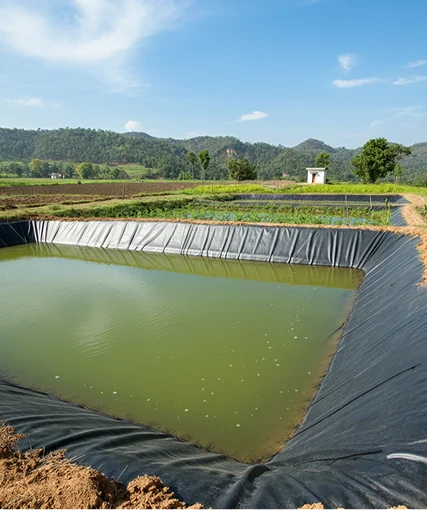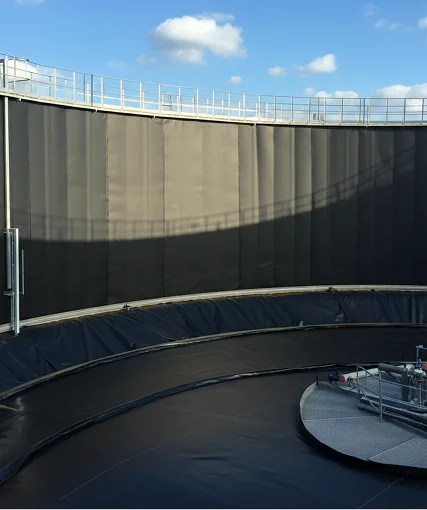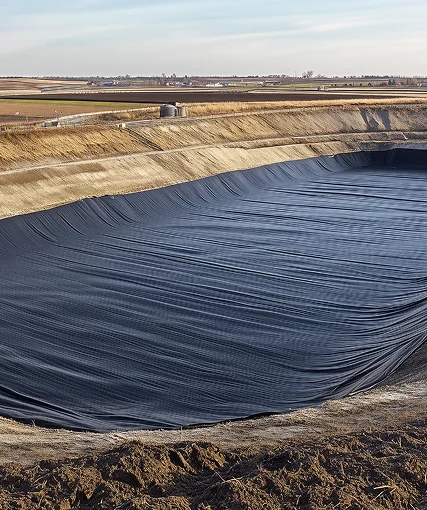
Pond liners prevent water loss through seepage by creating an impermeable barrier between water and soil — ideal for irrigation, water storage and maintaining water quality on the farm.
Megaplast Pond Liners are made from 100% virgin, UV-stabilized polyethylene, engineered to withstand harsh outdoor conditions and reduce water loss in fish ponds, irrigation reservoirs and water storage tanks. Available in blue, black and green, with thickness from 0.5mm to 2mm for projects of any scale.
Minimizes leakage, ensuring consistent water levels
Withstands the pressure from water and soil, providing long-lasting performance
Acts as a barrier, preventing contaminants from affecting stored water
Helps stabilize water temperature by reducing heat absorption
Helps conserve water, providing crops and agriculture with a consistent, reliable water supply
Prevents soil erosion and degradation by creating a stable, protective layer
Megaplast pond liners are available in thicknesses from 0.5 mm to 2 mm. The right thickness depends on the size, depth, purpose and site conditions of your pond. A thinner liner may be suitable for smaller decorative or garden ponds with lower loads, while thicker liners are generally preferred for larger applications such as irrigation reservoirs and long-term agricultural water storage. Consider soil conditions, water pressure, installation method and expected wear when selecting the specification.
Pond liners and geomembranes are both used to contain water, but they are intended for different scales and levels of demand. Pond liners are commonly used for smaller ponds, irrigation systems and general water storage. Geomembranes, such as Megaplast HDPE and LLDPE MegaLiners, are engineered for larger, heavier-duty applications, including major reservoirs, landfill caps and mining projects where the material faces more demanding conditions.
Megaplast pond liners are available in blue, black and green. You can select a colour based on your preferred appearance, surrounding landscape or project requirements. All three colour options are UV-stabilised to help withstand prolonged outdoor exposure to sunlight.
Yes. Pond liners can be used for irrigation reservoirs, water storage tanks and agricultural ponds, in addition to decorative ponds and fish ponds. They create a barrier between the stored water and surrounding soil, helping reduce seepage and support more efficient water containment. The appropriate liner thickness depends on the reservoir size, site conditions and intended service life.
Megaplast pond liners are highly UV-stabilised to help withstand long-term outdoor exposure. The actual service life depends on factors such as liner thickness, installation quality, soil and subgrade conditions, water chemistry, climate and site activity. Selecting the correct specification and protecting the liner during installation can support longer-term performance.
Yes. Pond liners can be seamed together when a single sheet is not large enough to cover a pond, reservoir or other water-storage area. For reliable performance, the seaming method and installation should be selected according to the liner material, site conditions and project requirements. Contact the Megaplast team for guidance on liner joining, sizing and installation.
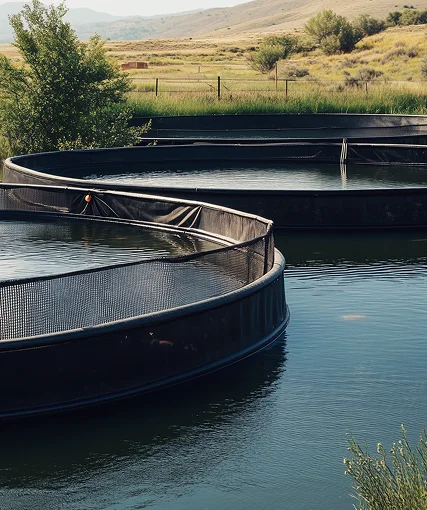
Megaplast pond liners are suitable for fish ponds and general aquaculture applications, subject to the selected material specification and applicable project requirements. They create a stable barrier between the water and surrounding soil. Before installation, confirm the required aquatic-life suitability, product documentation and water-contact specifications with Megaplast.
For a natural-looking pond, black and green pond liners generally blend well with outdoor surroundings and landscaping. Blue is also available for projects that prefer a more traditional pond appearance. The final colour choice can depend on the landscape design, water feature style and desired visual effect. Megaplast can help you select a pond liner based on your pond or reservoir size, application, water depth, soil conditions, desired colour, thickness and expected service environment. When requesting a quotation, provide the project dimensions, intended use, location, installation details and estimated quantity.


To preserve forage, silage, hay and maize in areas with shorter growth periods.
To regulate temperature, light, and humidity for crops to grow year-round.
To protect soil, prevent weeds, and conserve moisture for optimal crop yields.