PE Agricultural Films: Types, Applications and Selection Guide
PE agricultural films are used across modern crop production, aquaculture, and forage preservation to protect crops, conserve water, and preserve feedstock. This guide explains the core types of agricultural films — mulch films, pond liners, and silage films — how they are used, and practical selection and installation considerations for engineers, procurement teams, growers, and aquaculture operators.Core Types and Typical Applications
Mulch Films
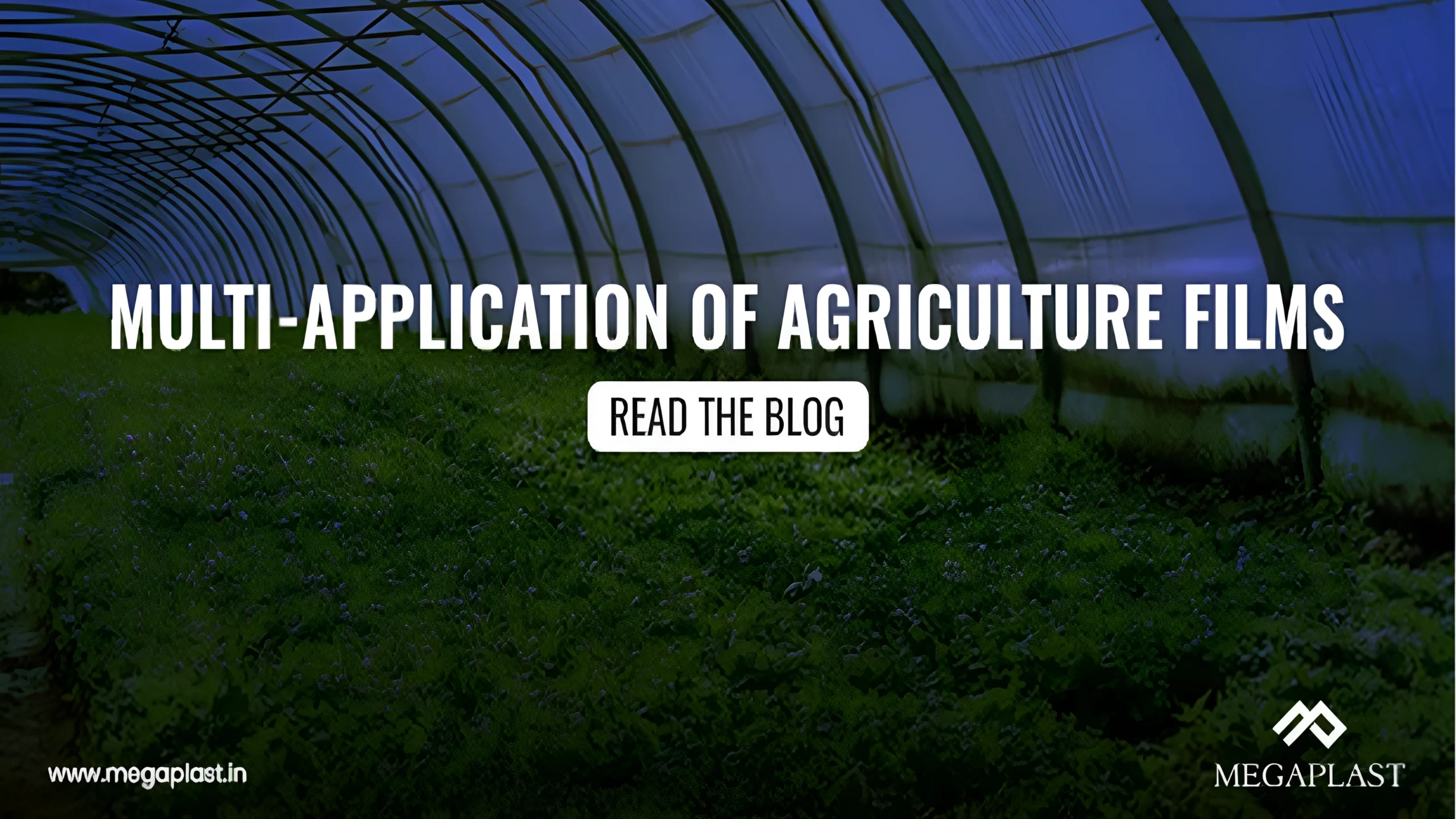
Mulch films help control soil temperature, conserve moisture, and suppress weeds, supporting earlier planting and more uniform crop growth. Megaplast’s mulch range is designed for agricultural applications and is available in common widths, with the source product range including films up to 2.6 metres wide.- Moisture Conservation: Mulch films help conserve soil moisture and can reduce irrigation frequency when combined with drip irrigation systems.
- Soil Temperature Management: They help moderate soil temperature and can improve seedbed conditions for faster emergence.
- Selection Factors: Consider film material, including LDPE or LLDPE blends, thickness appropriate to field conditions, UV and thermal stabilisers, and colour or opacity according to crop requirements.
Pond Liners
Pond liners form a durable barrier for fish ponds, irrigation reservoirs, and on-farm water storage. Megaplast pond liners are manufactured as high-quality PE and, according to product specifications, are available in thicknesses from 0.5–2 mm. They are made from 100% virgin PE with low permeability and strong UV stabilisation.- Seepage Control: Pond liners help protect subsurface soils and prevent seepage losses in ponds and reservoirs.
- Puncture Resistance: They provide resistance against stones and debris when properly installed on prepared and suitable surfaces.
- Water Management: Pond liners can reduce contamination risks and help maintain stable water levels for aquaculture or irrigation applications.
Silage Films
Silage films, also called silage sheets, are used to wrap and cover forage to create an anaerobic environment for controlled fermentation and preservation of nutritional value.- Material Performance: Silage films are manufactured from PE grades such as LLDPE and HDPE to provide elasticity and air-barrier performance.
- Oxygen Control: Proper film selection and application help reduce oxygen ingress and limit spoilage from moulds and bacteria.
- Colour and Additives: Films are available in multiple colours and with additives. Select film properties based on storage duration, bale size, and local climate.
Selection Checklist for Engineers and Procurement Teams
When specifying agricultural films, evaluate the following criteria:- Material and Mechanical Properties: Choose HDPE, LLDPE, or LDPE grades based on the required strength, puncture resistance, and elongation.
- Thickness: Match the nominal film gauge to site stresses such as traffic, debris, anchoring requirements, and expected service life.
- UV and Thermal Stabilisation: UV and thermal stabilisation are important for outdoor mulch and pond applications to help extend service life.
- Chemical Compatibility: Consider exposure to fertilisers, pesticides, and pond-water chemistry when specifying materials and additives.
- Colour and Light Transmission: Mulch film colour can affect soil warming and weed control, while silage film colour can influence heat absorption.
- Installation and Seaming: Confirm recommended seaming or welding methods and overlap details with the supplier for large-area installations.
- Sustainability and End-of-Life: Discuss recyclability options and waste-handling practices with the manufacturer.
Installation and Maintenance Tips
- Site Preparation: Remove sharp objects and level the surface. For pond liners, use a geotextile underlay where required to help prevent punctures.
- Handling and Storage: Store rolls under shade and avoid prolonged UV exposure before installation to help preserve stabilisers.
- Seaming and Anchoring: Follow supplier guidance for heat welding or approved joining methods to ensure watertight seams. Provide adequate ballast or trenching to secure edges.
- Inspection and Repair: Schedule regular inspections for punctures or seam failures. Use compatible repair patches and techniques recommended by the manufacturer.
- End-of-Season Management: Plan for safe removal, cleaning, and disposal or recycling where available to minimise environmental impact.
Conclusion
PE agricultural films deliver measurable operational benefits when selected and installed to match site and crop requirements. Specifying the right material grade, thickness, and stabilisation, while following best-practice installation and maintenance procedures, helps protect yields, conserve water, and preserve forage quality.Talk to Megaplast
To discuss specifications or request samples for your project, request a quote or contact Megaplast . Our team at Megaplast India, with 19+ years of experience and a dedicated Innovation Centre, can advise on suitable mulch films , pond liners , or silage films to meet your operational needs.Have questions?
We are here to help! Reach out via email at info@mega-group.in, connect on WhatsApp at +91 83569 01123, or call our team at +91 22 6106 6000.