PE Films: Types, Applications and How They Are Produced
Introduction
Selecting the right polyethylene (PE) film and understanding how it is produced helps procurement teams, design engineers and farming operations achieve reliable performance and cost-efficiency. This article explains the common PE film types — LDPE, LLDPE and HDPE — their typical applications, and the basic extrusion-based production and quality controls used at Megaplast.Types of PE Films and Typical Uses
LDPE (Low-Density Polyethylene)
LDPE films offer flexibility and good sealing characteristics, which makes them well suited to retail and consumer packaging such as cling films, light-duty bags and general-purpose wrap. Megaplast manufactures LDPE-based products across packaging ranges. Explore the company’s Industrial Packaging offerings for common formats and applications.LLDPE (Linear Low-Density Polyethylene)
LLDPE provides higher tensile strength and improved puncture resistance compared with conventional LDPE. These properties make LLDPE films a preferred choice for stretch films, pallet wrap and other heavy-duty packaging where durability under tension is important. For automated packing lines, consider machine-grade solutions such as FFS Films or roll-based formats like PE Films in Roll Form .HDPE (High-Density Polyethylene)
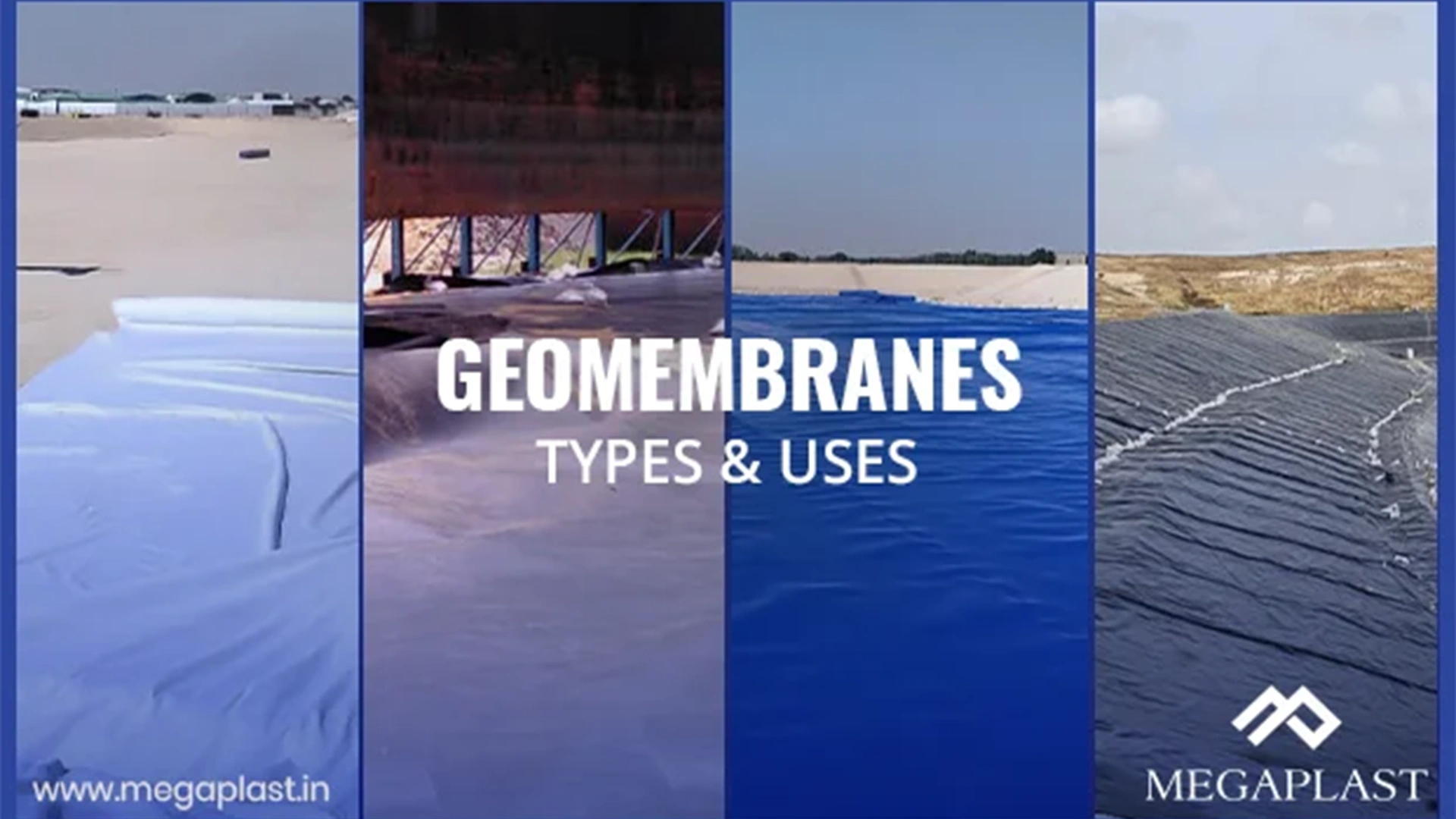
HDPE films are valued for stiffness and chemical resistance, and are commonly used in applications that require dimensional stability and toughness — examples include certain agricultural covers, construction sheeting and geomembrane applications. For containment and geomembrane needs, Megaplast’s geomembrane range, including MegaLiners , provides product lines tailored to different site conditions. See the Geomembranes overview for more details.Specialized Geomembrane and Pond Liners
For pond and reservoir applications where low permeability and UV stability are priorities, Megaplast lists dedicated Pond Liners made from high-quality PE. For engineered containment such as landfill caps, MegaLiners in HDPE and LLDPE grades are positioned to meet differing requirements for strength, puncture resistance and flexibility.How PE Films Are Produced: Overview
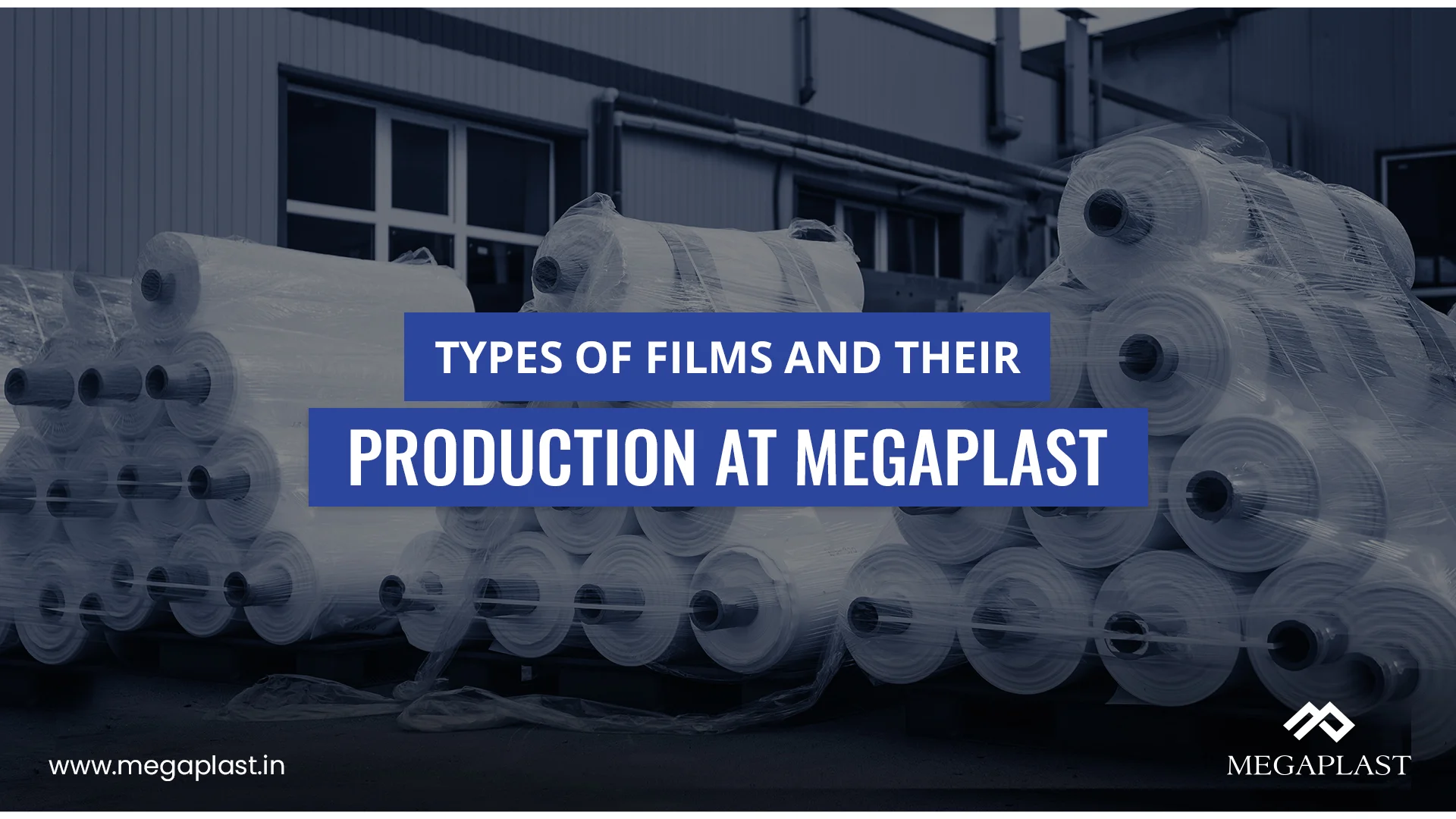
Most commercial PE films are produced by extrusion processes. In a typical blown- or cast-extrusion workflow, the following steps are used:- Resin pellets are fed into an extruder and heated until molten.
- The melt is forced through a die to form a continuous film, using a blown or cast configuration depending on the process.
- The film is cooled, flattened or wound, and slit to required widths or transferred to converting equipment.
Quality Control and Product Development
Robust quality checks are essential for consistent film performance. Typical in-process and laboratory tests include thickness and tolerance checks, tensile and elongation tests, puncture and tear resistance evaluations, and visual inspection for defects. Megaplast’s Innovation Centre supports product development and testing activities. This facility helps translate formulation and process adjustments into production-ready grades.Choosing the Right Film for Your Project
- Define the primary performance requirement: flexibility and sealability for LDPE, puncture and tensile strength for LLDPE, or stiffness and chemical resistance for HDPE.
- Match film format to handling and converting equipment: use rolls for automated lines, sacks for bulk packaging, and engineered liners for containment projects.
- Consider application-specific requirements: for geomembrane or pond applications, consider liner-specific properties such as UV stabilization and low permeability. Review MegaLiners and Pond Liners for suitable options.
Conclusion
Understanding material differences and the basics of extrusion production helps specification teams and buyers choose the right PE film for their application. Megaplast provides a range of LDPE, LLDPE and HDPE film solutions across packaging, agricultural and geomembrane categories and supports product development through its Innovation Centre.Kindly direct your queries to info@mega-group.in. Alternatively, you may connect with us on WhatsApp at +91 83569 01123 or call us at +91 22 6106 6000.