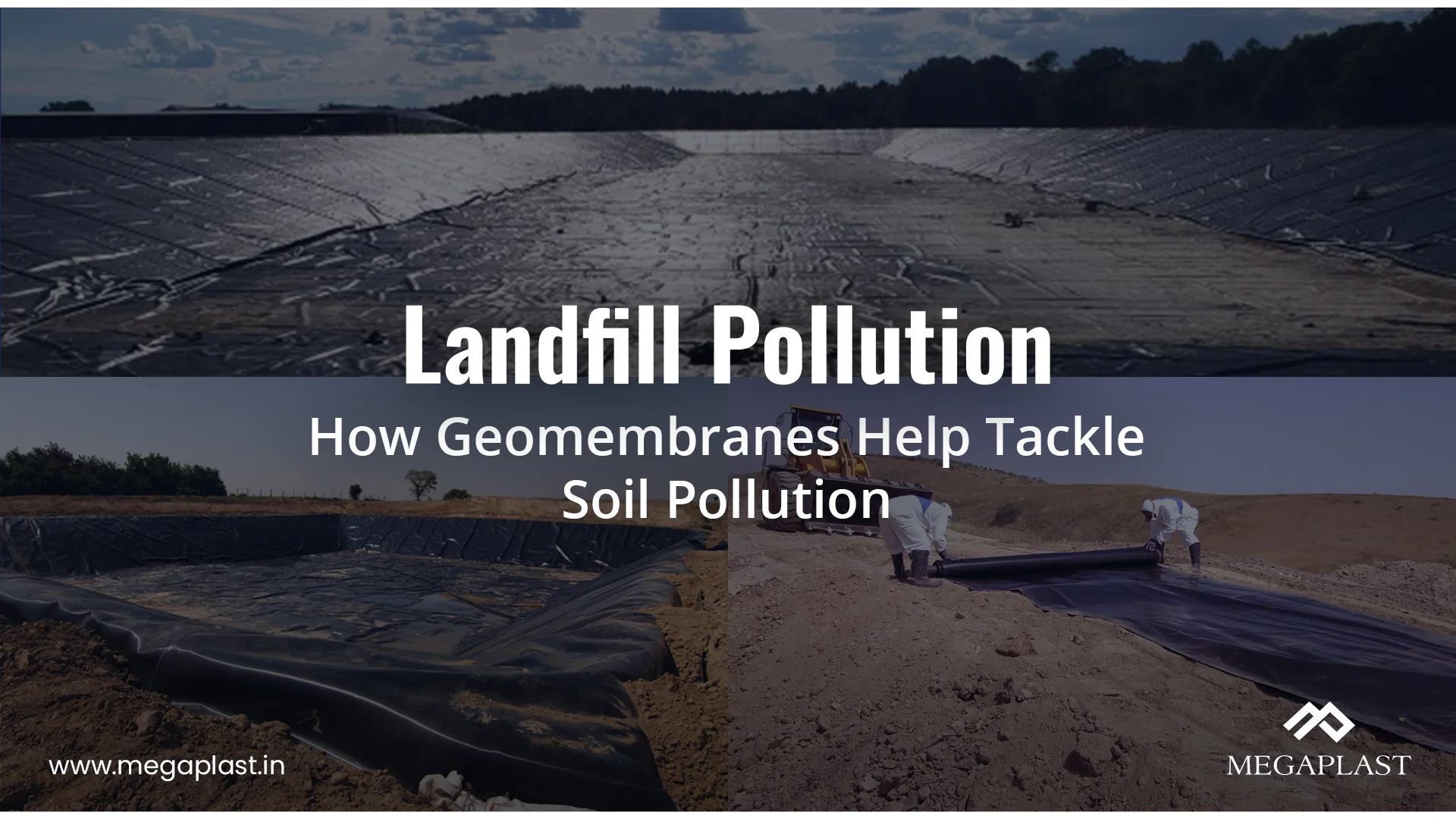
How Geomembranes Help Prevent Landfill Pollution
Landfill pollution is a significant environmental issue affecting the
health and well-being of people and the planet. As waste decomposes,
it releases toxic chemicals and greenhouse gases into the air, soil,
and water. This pollution can have harmful effects on the environment
and human health.
Fortunately, there are effective ways to prevent landfill pollution
and mitigate its harmful effects, including the use of geomembranes.
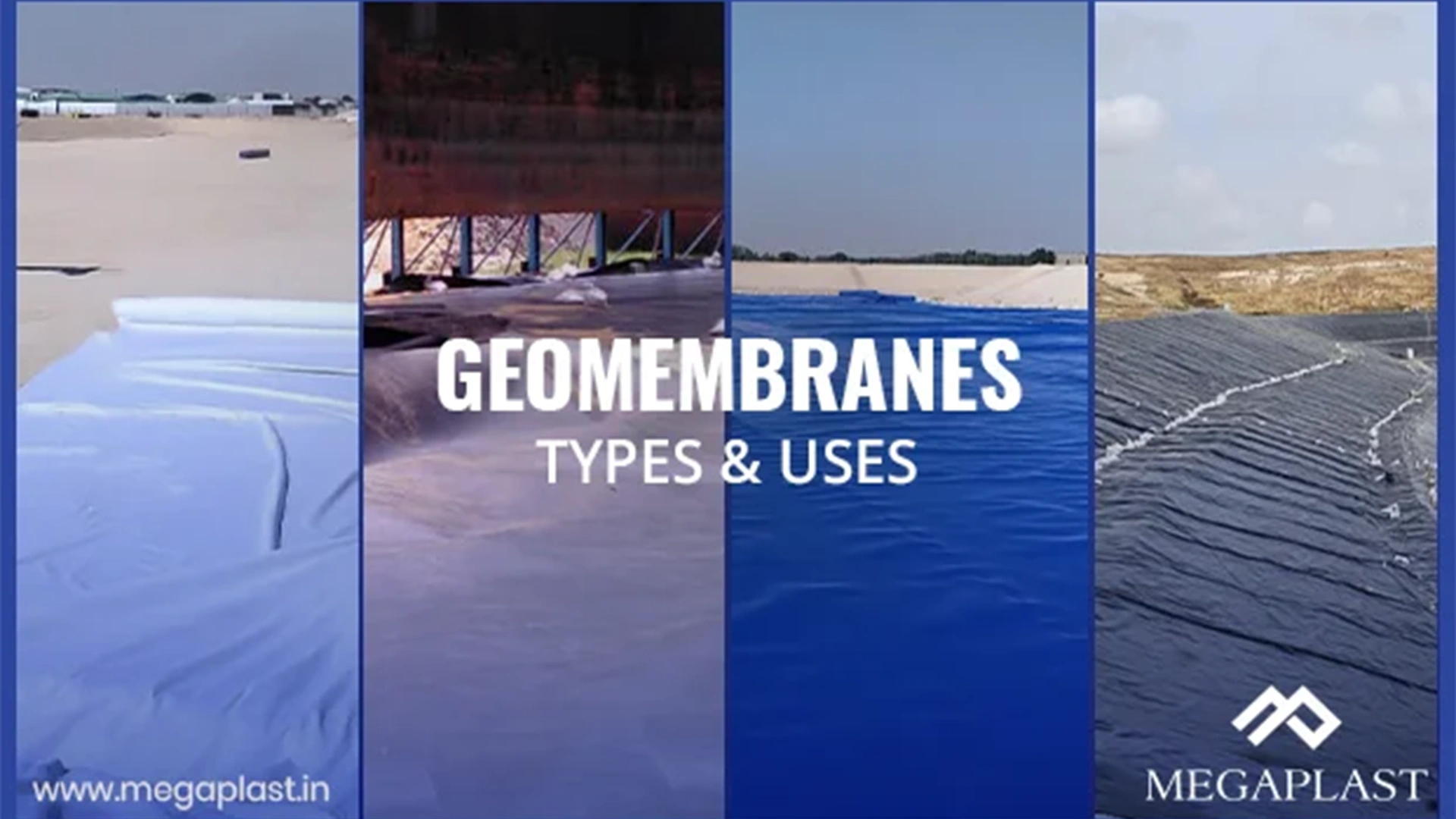
Geomembranes are thin, flexible sheets made from materials such as
polyethylene. They can be manufactured using
HDPE or LLDPE and can include features such as
smooth or textured surfaces. These engineered liners are used in
landfill systems to help prevent waste and contaminated liquids from
coming into direct contact with the underlying soil and groundwater.
Geomembranes act as a barrier between waste and the surrounding
environment. Their low permeability helps limit the movement of
liquids through the liner system, reducing the risk of contaminated
water migrating into soil and groundwater.
This is particularly important because, as waste decomposes, it can
generate substances such as ammonia, methane, and carbon dioxide.
Without appropriate containment and landfill management systems,
contaminants can migrate into surrounding soil and groundwater.
Benefits of Geomembranes in Landfill Applications
- Preventing Soil Pollution:
Geomembranes help protect soil by limiting the migration of
harmful chemicals and contaminated liquids from the landfill
into the surrounding ground. This is particularly important
for landfills located near rivers, lakes, groundwater sources,
or other environmentally sensitive areas.
- Reducing the Risk of Water Pollution:
Because geomembranes have very low permeability, they help
control the movement of landfill leachate. Properly designed
liner systems can therefore help protect nearby groundwater
and surface water from contamination.
- Supporting Greenhouse Gas Management:
Landfill decomposition can generate greenhouse gases such as
methane. A properly designed landfill containment and gas
collection system can help capture landfill gas for controlled
treatment or energy recovery. Geomembranes can form an
important component of engineered landfill containment systems.
- Economic Benefits:
In addition to their environmental role, geomembranes can
provide lifecycle and economic benefits. By helping control
contamination, they can reduce the risk of costly remediation
and environmental damage. Properly designed landfill liner
systems can also support efficient landfill management and
long-term site use.
- Easy Installation and Long-Term Performance:
Geomembranes are manufactured in rolls and can be installed
using established lining and seaming techniques. When the
appropriate material, thickness, protection system, and
installation procedures are selected, geomembrane liners can
provide durable containment for landfill applications.
Choosing the Right Geomembrane for Landfills
The selection of a geomembrane depends on the landfill design,
site conditions, waste characteristics, installation requirements,
and required mechanical and chemical performance.
HDPE and LLDPE geomembranes are commonly considered for engineered
containment applications. HDPE can offer high strength, stiffness,
and puncture resistance, while LLDPE generally provides greater
flexibility and elongation. The appropriate material should be
selected based on the specific project requirements.
Megaplast offers a range of
geomembrane solutions
for applications requiring reliable containment and low
permeability.
The
MegaLiners
range can be considered for projects requiring engineered
geomembrane solutions. Megaplast also offers
HDPE liners
and
LLDPE liners
for different project requirements.
Conclusion
Landfill pollution is a serious environmental issue that can affect
soil, groundwater, surface water, air quality, and human health.
Geomembranes are an important component of engineered landfill
containment systems because they help create a low-permeability
barrier between waste and the surrounding environment.
When properly designed, specified, installed, and maintained,
geomembrane liner systems can help control leachate migration,
protect soil and groundwater, and support responsible long-term
waste management.
Talk to Megaplast
Megaplast is a manufacturer of geomembrane sheets in India,
providing geomembrane solutions for a range of containment and
environmental applications. Our technical team can help evaluate
suitable liner options based on your project requirements.
To discuss your application or request technical information,
request a quote
or
contact Megaplast
.
You can also email
info@mega-group.in
or WhatsApp at +91 83569 01123.