PE Films: Types, Applications and Selection Guide
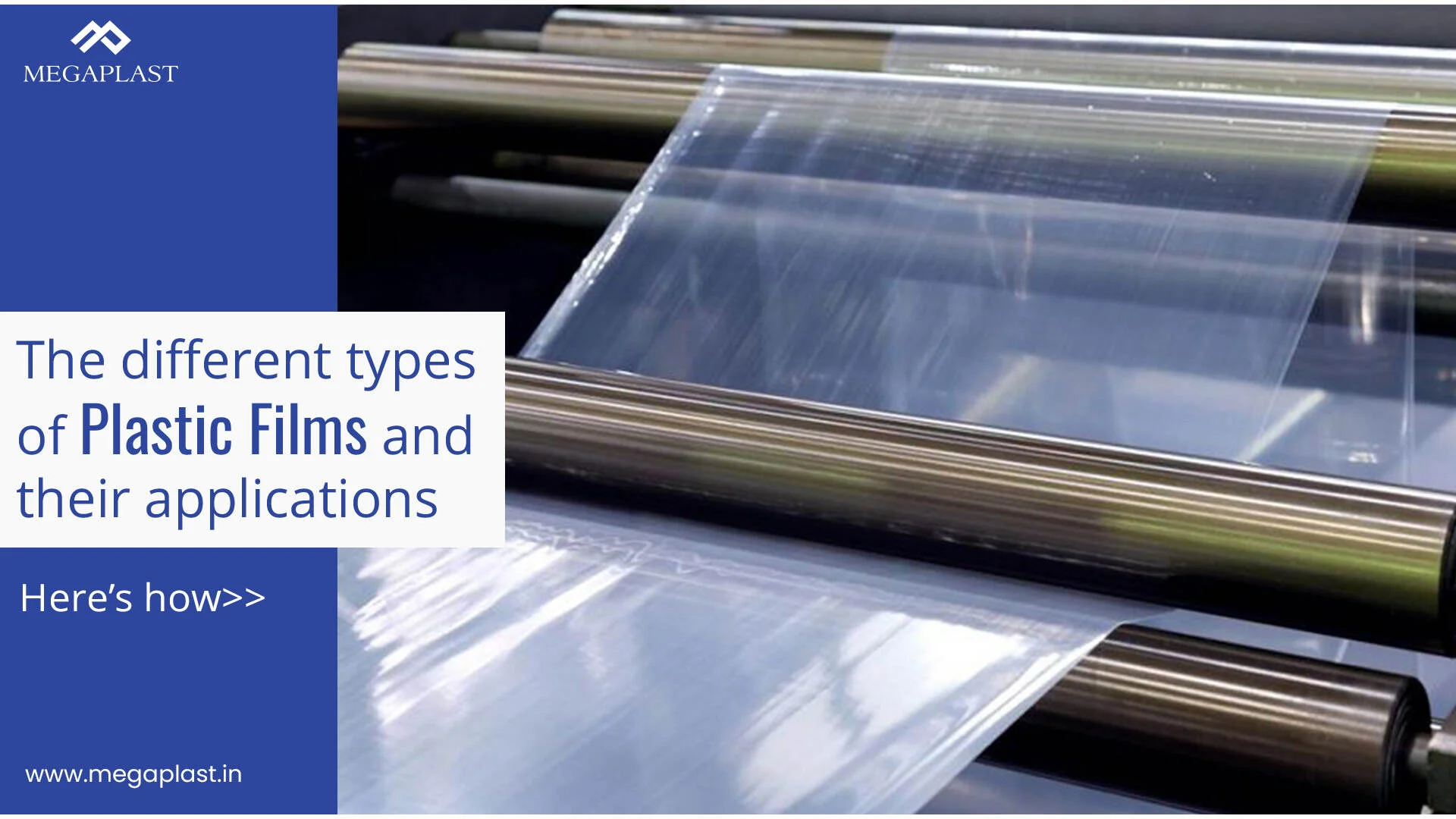
Plastic films made from polyethylene (PE) are fundamental materials across
industrial packaging, containment and agricultural applications. Selecting
the right film — whether a geomembrane liner, a flexible LLDPE sheet, or a
UV-stabilized pond liner — requires matching material properties to site
conditions and project needs. This guide summarizes common PE film types
offered by Megaplast and provides practical selection and procurement
guidance for engineers, manufacturers and farmers.
Common PE Film Types and Typical Applications
Geomembranes and Containment Liners
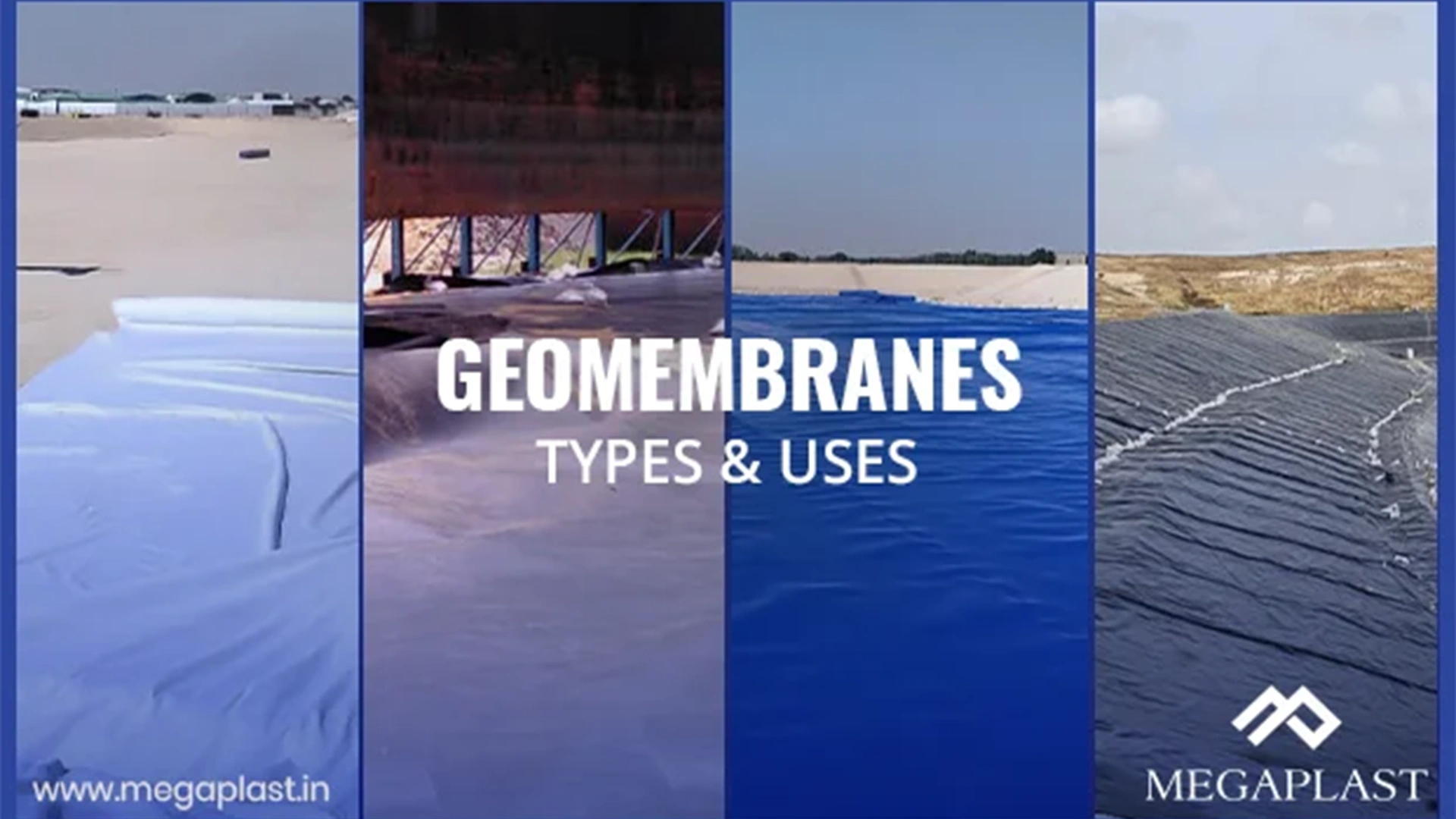
Geomembranes are impermeable PE sheets used as barriers in landfills,
containment ponds and other environmental protection applications.
Megaplast’s geomembrane range, marketed under the
MegaLiners
family, includes smooth, single-textured and double-textured variants
designed to meet differing requirements for slope stability and interface
friction.
For projects requiring stiffer, high-strength sheets, see the
HDPE Liners
range, which includes the Mega Diamond, Mega Platinum and Mega Gold products.
Typical uses:
- Waste containment liners and caps
- Secondary containment for tanks and bunds
- Reservoir and canal lining where impermeability is critical
Key attributes: low permeability, high tensile strength,
puncture and tear resistance, and chemical stability.
LLDPE Liners for Flexibility and Dynamic Conditions
When a project needs flexibility, high elongation and resistance to stress
cracking — for example in landfill caps, leachate pads, floating covers,
or locations with significant substrate movement — linear low-density
polyethylene is often preferred.
Megaplast’s
LLDPE Liners
are positioned for applications requiring greater elongation and dynamic
performance compared with stiffer HDPE options.
Typical uses:
- Floating covers and flexible pond linings
- Sites with uneven or moving foundations
- Applications where seam performance under movement is critical
Pond Liners: Water Storage and Aquaculture
For fish ponds, agricultural ponds, water storage tanks and irrigation
reservoirs, Megaplast offers
Pond Liners
made from high-quality PE. Product features described on the site include
0.5–2 mm thickness options, 100% virgin PE construction, low permeability
and high UV stabilization — attributes that support long service life in
outdoor exposure.
Selection points:
- Choose thickness based on pond use, including stocking density,
expected abrasion and installation method.
- Confirm UV stabilization and material origin (virgin PE) for
long-term outdoor durability.
Agricultural Films
Agricultural films cover several categories including mulch films,
greenhouse films and silage films. These products are engineered to
manage light transmission, soil temperature, moisture retention and
protection from weather.
For cropping systems, greenhouse coverings and mulching, review product
choices under Megaplast’s
Agricultural Films
section to match film optical properties and durability to crop
requirements.
Applications:
- Mulch films for weed suppression and moisture conservation
- Greenhouse films that manage light and create controlled environments
- Silage films for forage conservation
How to Choose the Right Film: A Checklist for Specification and Procurement
1. Site and Environmental Conditions
- Exposure: direct sunlight, temperature ranges and
UV index determine the level of UV stabilization required.
- Chemical exposure: identify any contact with
aggressive chemicals or leachate to confirm chemical compatibility.
2. Mechanical Requirements
- Tensile strength, puncture and tear resistance:
critical for exposed, abrasive or heavy-load locations.
- Elongation and flexibility: when the liner must
conform to irregular surfaces or tolerate settlement, consider LLDPE.
3. Surface and Slope Considerations
- Smooth vs textured: textured surfaces increase
friction and improve stability on slopes; choose texture based on
slope angle and subgrade.
4. Seaming and Installation
- Welding method: confirm the recommended seaming
technique (thermal, extrusion) and onsite installer qualifications.
- Testing: require seam pull tests or field
verification as part of acceptance criteria.
5. Material Sourcing and Quality Assurance
- Prefer suppliers with established production capacity, technical
support and testing capabilities. Megaplast has 19+ years of
experience, 400+ professionals, a 300,000 sq. ft. manufacturing
footprint and 24,000 MT annual production capacity, and supports
R&D through a GAI-LAP- and NABL-certified Innovation Centre.
6. Lifecycle and Maintenance
- Plan for monitoring, expected service life and maintenance access.
For pond and agricultural films, plan for edge protection and
UV-protected overlaps.
Practical Considerations for Engineers and Procurement Teams
- Request material data sheets and welding procedures; specify
required tests, such as tensile, tear and puncture testing, in
tender documents.
- Confirm lead times and batch consistency for large-area projects.
Align procurement with installation schedules to avoid prolonged
onsite exposure of stored rolls.
- For agricultural customers, discuss film optical properties,
including transmission and diffusion, and thickness relative to
operational needs.
Conclusion
Selecting the right PE film balances material properties, site conditions
and installation practices. Use HDPE for high-strength, low-permeability
containment, LLDPE for flexibility in dynamic sites, and purpose-designed
pond or agricultural films where outdoor durability and UV stabilization
are essential.
Consult manufacturers early in the project to align specification,
testing and supply.
Talk to Megaplast
For project-specific guidance and supply,
request a quote
or
contact Megaplast
to discuss product options such as
MegaLiners
or
Pond Liners
.
You can also email
info@mega-group.in
or connect with us on WhatsApp at +91 83569 01123 to connect with our technical team.