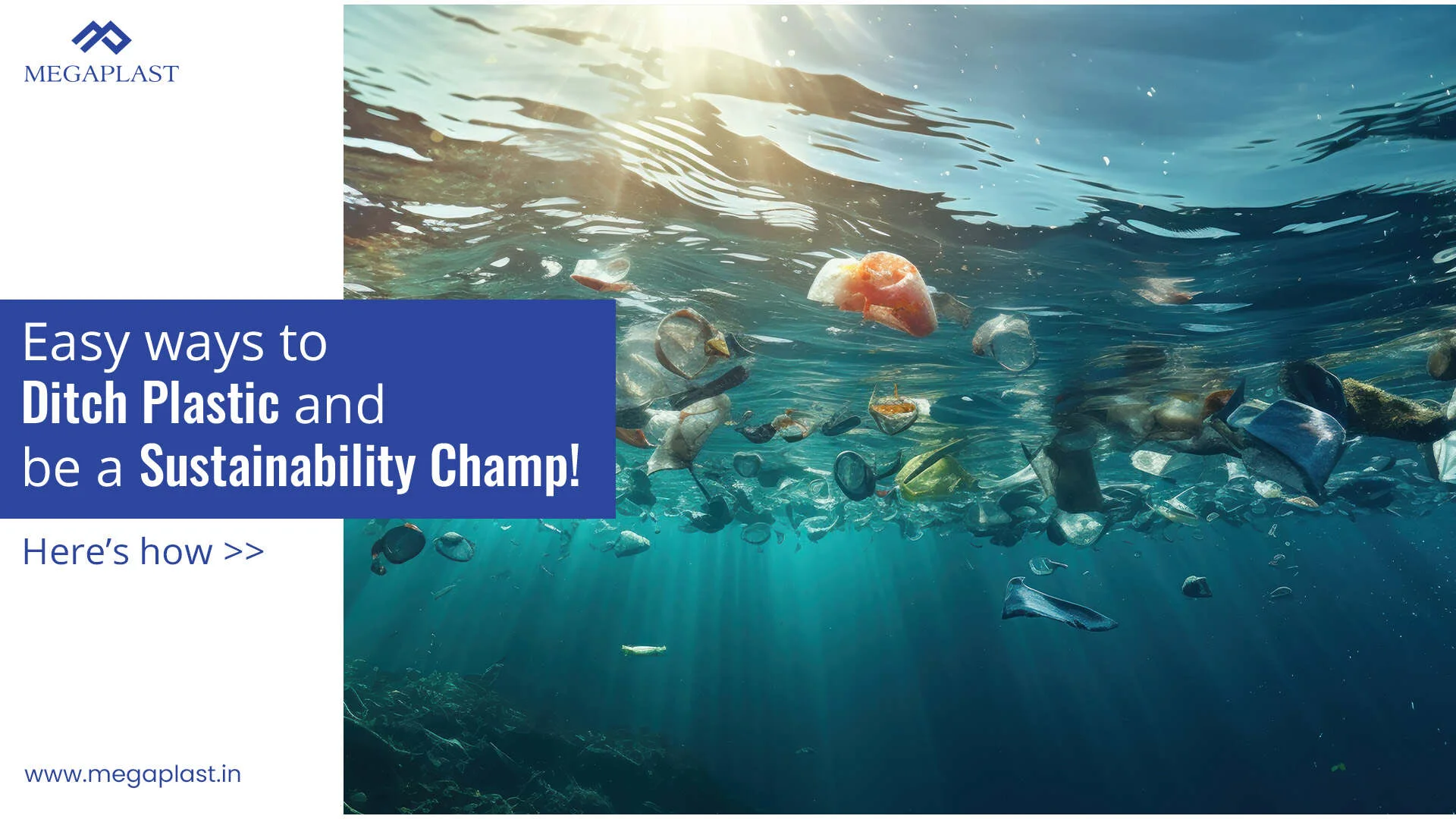
How to Reduce Plastic Waste in Business Operations
Manufacturers and suppliers of polyethylene solutions have a responsibility to balance product
performance with resource efficiency. For procurement teams, production managers, engineers and
agricultural operators, practical changes in specification, sourcing and on-site practice can reduce
plastic waste without compromising function. This guide outlines business-focused actions you can
implement quickly and sustainably.
1. Specify Longer-Lived, Returnable and Reusable Packaging
- Choose Reusable Packaging Designs: Choose designs and materials that support
multiple-use cycles. Returnable crates, pallet-based systems and durable sacks can reduce
one-way packaging waste. For high-capacity and heavy items, consider heavy-duty options from
your industrial packaging portfolio such as robust PE sacks and films to increase service life
and reduce replacements. See Megaplast’s
Industrial Packaging
and
PE Bags
for common industrial options.
- Implement Take-Back or Deposit-Return Programs: Work with suppliers on take-back
or deposit-return programs. Reuse reduces procurement volume and can lower lifecycle costs.
2. Optimize Film and Packaging Formats for Efficiency
- Right-Size Packaging: Right-size packaging to minimise excess material and
choose formats that reduce handling and transport costs. For automated or high-speed filling
lines, formats such as
FFS Films
and
Stretch Hood Films
can improve line efficiency and reduce waste from damaged packs.
- Optimize Transportation: Consolidate shipments and use protective films and
hooding strategically to avoid secondary packaging where possible.
3. Buy in Bulk and Facilitate On-Site Refills
- Use Bulk Packaging Where Practical: Where product stability and contamination
risk allow, switch from many small packages to bulk containers or intermediate bulk containers
(IBCs). Bulk purchasing reduces per-unit packaging and handling waste.
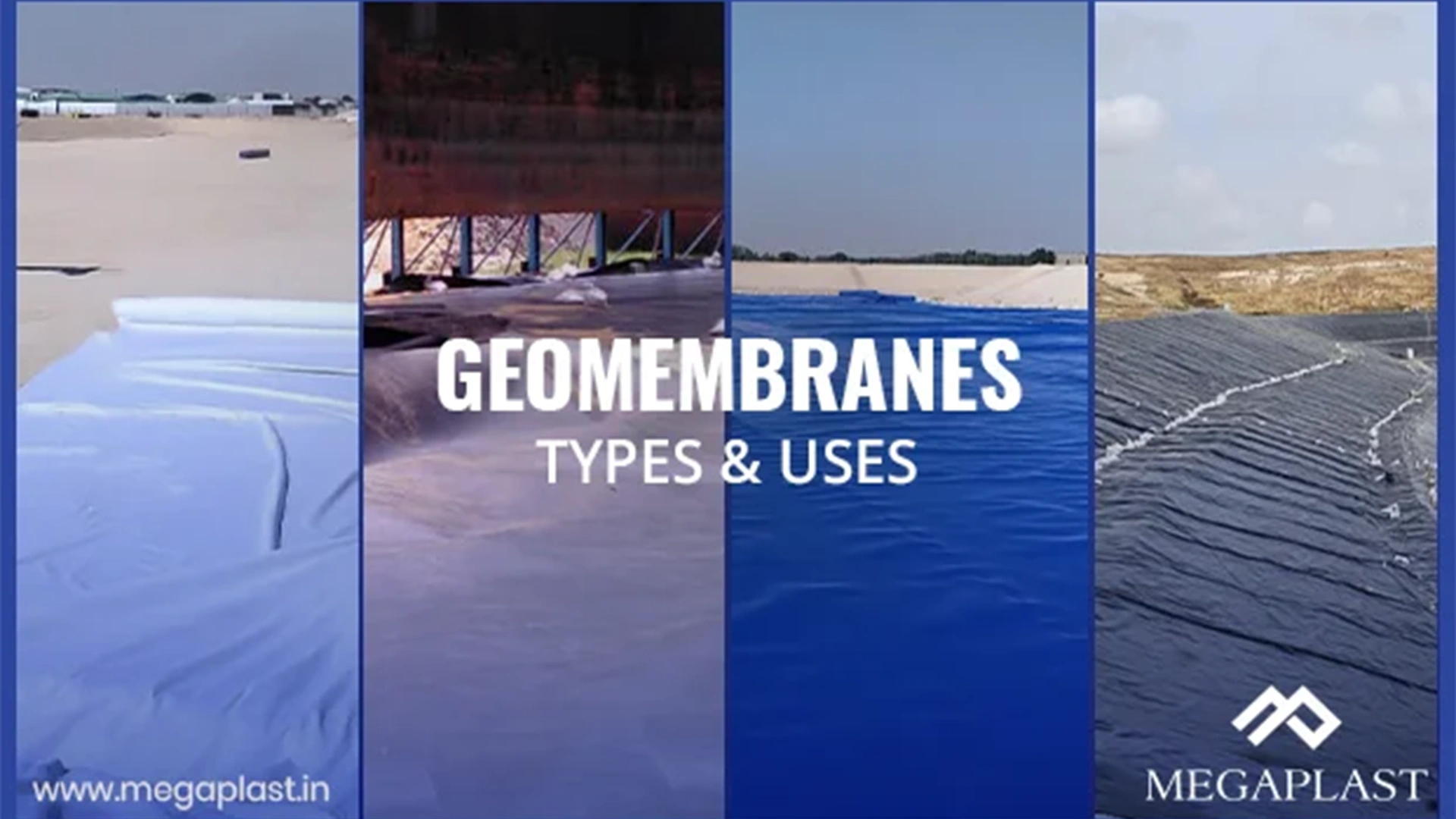
- Choose Durable Containment Solutions: For agricultural, municipal or industrial
water applications, specify geomembranes and liners that minimise leakage and the need for
frequent repairs. Megaplast’s
MegaLiners
and
Pond Liners
are designed for water containment applications and can support more durable installations
compared with ad hoc solutions.
4. Specify Materials for Durability and Appropriate End-of-Life Handling
- Define Performance Requirements: Define material properties in procurement
documents, focusing on durability, resistance to puncture and tear, and UV stability to extend
service life and reduce replacement frequency. For geomembrane applications, consider HDPE or
LLDPE options depending on the site conditions and movement expected.
- Plan for End-of-Life: Include end-of-life handling and recyclability requirements
in supplier contracts. Require clear labeling and documentation so materials can be separated
and recycled properly after use.
5. Implement On-Site Reuse, Segregation and Upcycling Programs
- Segregate Plastic at Source: Make segregation of clean plastic streams practical
at source, including production lines, warehouses and farms. Clean, separated streams are more
easily recycled or returned to suppliers.
- Encourage Operational Upcycling: Encourage operational upcycling where
appropriate—repurposing drums for storage, using cut-offs for internal packaging shipments,
or converting surplus film into protective layers on-site. These practical measures can reduce
disposal costs and landfill burden.
6. Collaborate with Suppliers and Test Alternatives
- Run Controlled Trials: Treat suppliers as partners when piloting lower-waste
options. Run controlled trials to assess durability, handling and cost impacts before widespread
rollout.
- Leverage Technical Expertise: Leverage supplier technical expertise to match
product families to applications, such as selecting different geomembrane variants for
containment versus flexible-cover applications.
Conclusion
Reducing plastic waste in business operations is a mix of design choices, procurement policy and
operational practice. Prioritise durable materials, reusable systems, bulk formats and supplier
collaboration. These steps help reduce total lifecycle waste while maintaining performance and
cost-effectiveness.
Talk to Megaplast
If you are exploring longer-life packaging, geomembranes or pond liners for water management or
agricultural use, our commercial and technical teams can help evaluate options that fit your
application and operations.
Contact Megaplast
to discuss requirements and request samples. Contact us with your queries at info@mega-group.in, via WhatsApp at +91 83569 01123, or by phone at +91 22 6106 6000.