Geomembrane Liners for Metal Mining: Selection, Specification and Installation Guide
Introduction
Metal mining requires robust containment systems to protect soil and
groundwater from process solutions, tailings, and site runoff. This
article provides practical guidance for engineers, procurement teams,
and project managers on selecting, specifying, and inspecting
geomembrane liners for heap leach pads, tailings storage facilities,
and evaporation or process ponds.
Why Geomembranes Matter in Metal Mining
Geomembranes provide an impermeable barrier between process solutions
or tailings and the surrounding environment. Properly specified and
installed liners can reduce the risk of contaminant migration, support
regulatory compliance, and simplify long-term monitoring and
maintenance strategies.
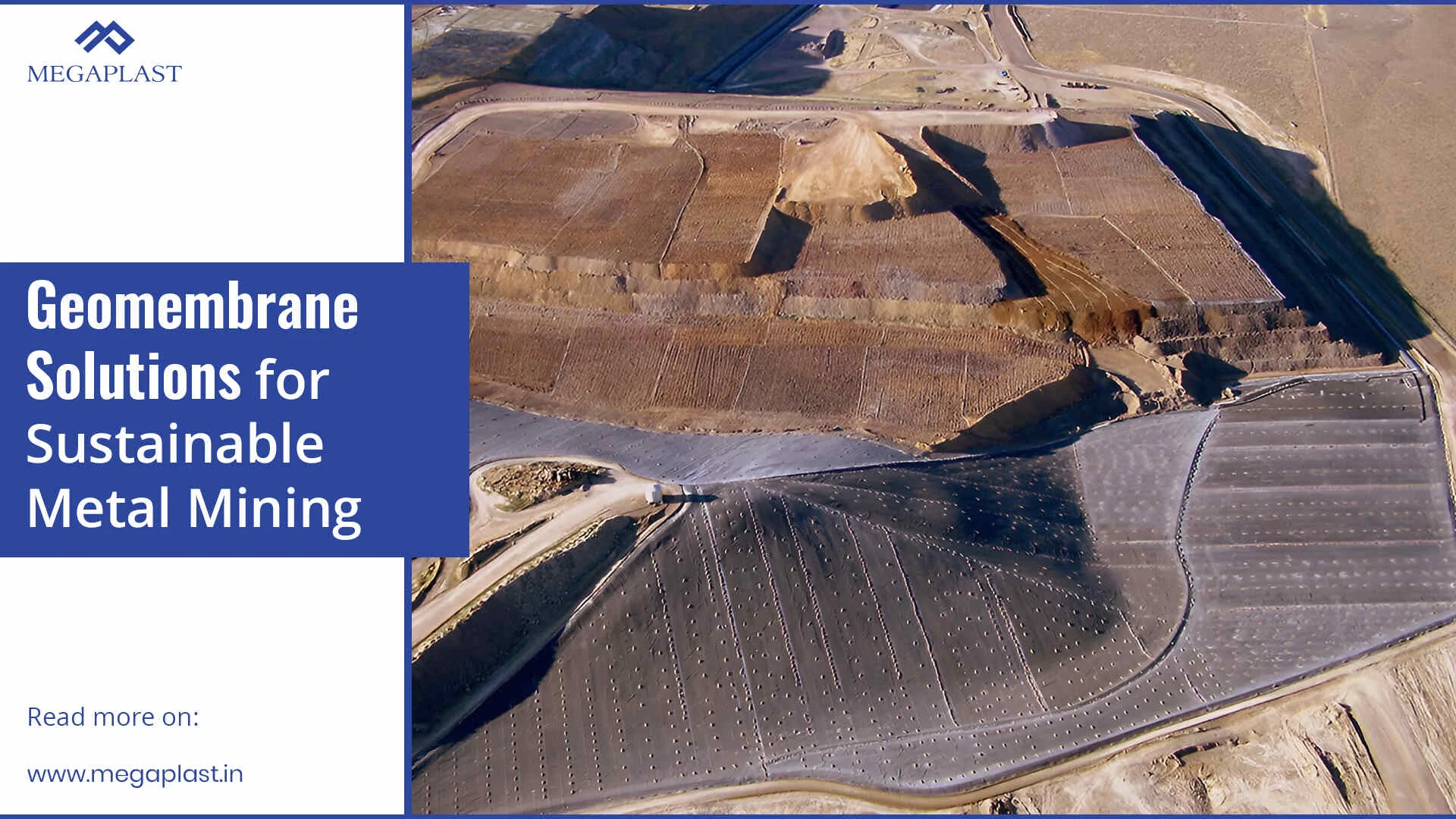
Common Mining Applications for Geomembranes
- Heap Leach Pads:
Liners beneath ore pads capture leach solutions and direct them
to recovery systems.
- Tailings Storage Facilities:
Liners help limit seepage from tailings storage areas and
tailings decant ponds.
- Evaporation and Process Ponds:
Liners provide containment for wastewater and brines during
treatment or evaporation.
Megaplast Geomembrane Options
Megaplast manufactures a range of geomembrane products tailored to
different site requirements. Explore the product families to match
specific performance needs.
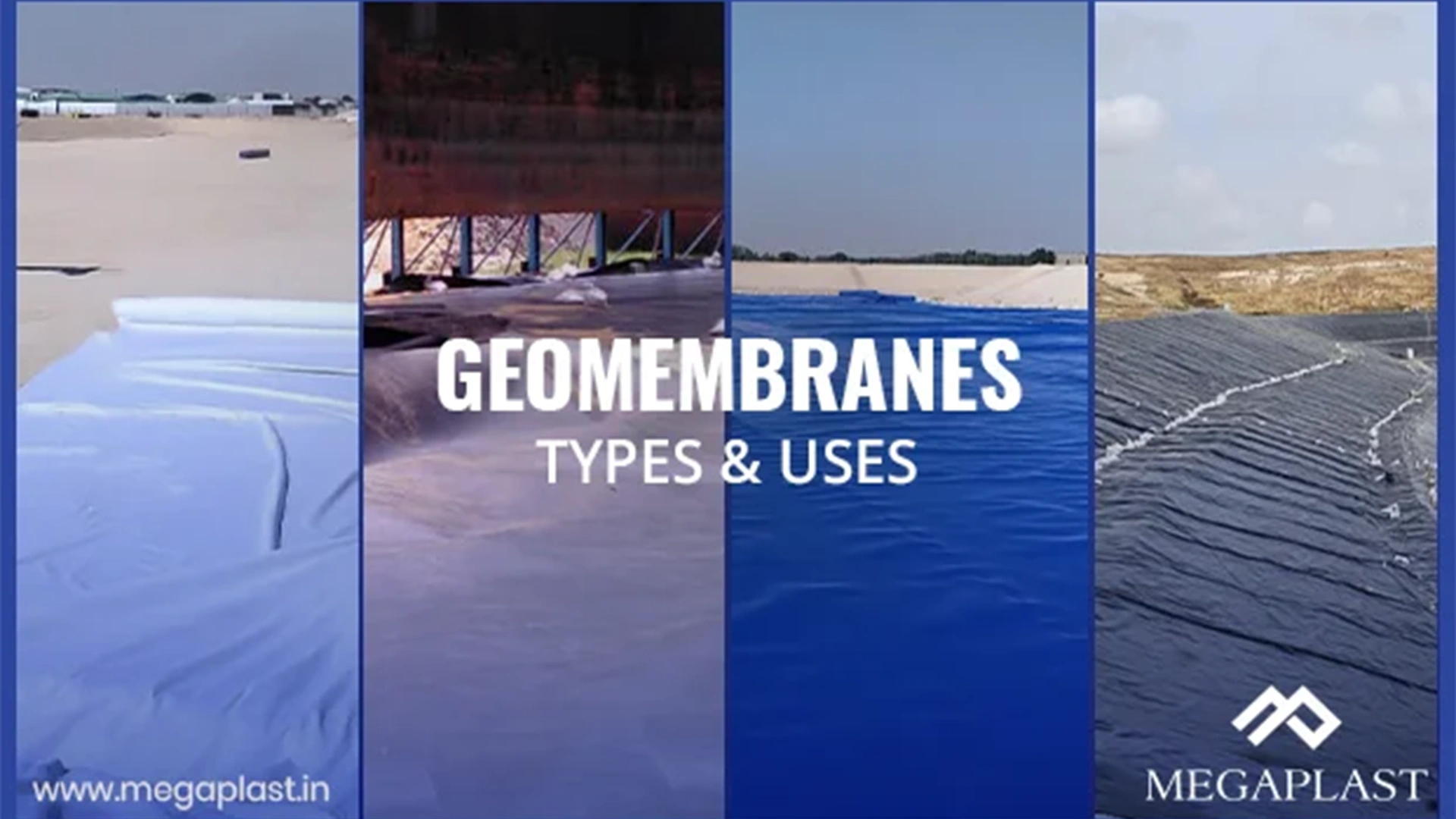
- Geomembranes and Product Range:
Learn more about Megaplast’s geomembrane portfolio on the
Geomembranes
page.
- Engineered Liners:
The
MegaLiners
family includes technically engineered impermeable liners
available in smooth, single-textured, and double-textured
variants for improved handling and stability.
- HDPE Liners:
Where chemical resistance, UV stability, and high-strength
performance are priorities, consider Megaplast’s
HDPE Liners
such as the Mega Diamond, Mega Platinum, and Mega Gold options.
- LLDPE Liners:
In applications requiring greater flexibility and elongation —
for example, on uneven foundations, landfill caps, or floating
covers — see Megaplast’s
LLDPE Liners
.
Selecting the Right Liner: Practical Checklist for Engineers and Procurement
1. Define the Exposure Conditions
- Identify chemicals that may come into contact with the liner,
including acids, bases, solvents, and oxidizers, along with their
expected concentrations. Use manufacturer guidance and chemical
compatibility testing where needed.
- Determine UV exposure, operating temperatures, and mechanical
stresses such as traffic, equipment loads, and thermal cycling.
2. Choose the Material Family Based on Site Drivers
- HDPE:
Prefer HDPE where high chemical resistance, tensile strength, and
UV stability are required and the foundation is relatively stable.
- LLDPE:
Consider LLDPE when higher elongation and flexibility are required
to accommodate uneven or dynamic substrates.
- Surface Texture:
Texture selection between smooth and textured surfaces depends on
slope stability and overlay materials. Textured surfaces can
improve friction for geotextile or soil coverings.
3. Specify Seam and Welding Requirements
- Define seam types, including extrusion and fusion welding, and
specify the required weld testing, including non-destructive and
destructive tests.
- Require documented operator qualifications and calibration records
for welding equipment.
4. Require Supplier Quality Assurance and Traceability
- Request material certificates, manufacturing lot traceability,
and production quality records.
- Confirm the availability of factory and field testing protocols
and request detailed inspection plans.
5. Plan for Installation Supervision and Testing
- Include third-party or in-house inspection of welds, destructive
seam tests, air-channel or vacuum-box checks where applicable,
and post-installation leakage surveys.
Installation and Quality-Control Best Practices
- Pre-Installation Site Preparation:
Remove sharp objects, bench-cut slopes, and prepare smooth,
suitable support surfaces before deploying the geomembrane.
- Handling and Protection:
Store rolls under cover, avoid dragging them across abrasive
surfaces, and protect liner edges during deployment.
- Seaming and Repair:
Enforce prequalified welding procedures, document each seam, and
retain weld records for acceptance testing.
- Commissioning Tests:
Perform visual and destructive seam tests according to the project
specification and conduct leak-detection surveys where project
risk warrants.
Maintenance and Monitoring
- Establish a Monitoring Plan:
Include seepage detection, periodic visual inspections, and
scheduled maintenance of drainage systems.
- Maintain Project Records:
Keep accessible records of installation drawings, seam logs,
inspection reports, and repairs to support long-term asset
management.
Partnering with Megaplast
Megaplast brings 19+ years of experience and manufacturing scale,
with 24,000 MT annual capacity and a 300,000 sq. ft. manufacturing
footprint. This is supported by a multidisciplinary team of
400+ professionals and a presence in 30+ countries.
For product development and testing, Megaplast operates a
GAI-LAP- and NABL-certified Innovation Centre to support material
evaluation and application guidance.
Conclusion
Selecting and installing the correct geomembrane is a critical
risk-management decision for metal mining projects. By matching
material properties to site conditions, enforcing rigorous seam and
QA/QC protocols, and planning for ongoing monitoring, project teams
can reduce environmental risk and improve lifecycle performance.
Use the product information and checklist above to support
procurement specifications and engineering decisions for mining
containment applications.
Talk to Megaplast
Ready to discuss liner selection or project specifications?
Contact Megaplast
to review site conditions and product options such as
MegaLiners
or our
HDPE Liners
.
You can also
request a quote
or email
info@mega-group.in
or connect with us on WhatsApp at +91 83569 01123
for a prompt response.