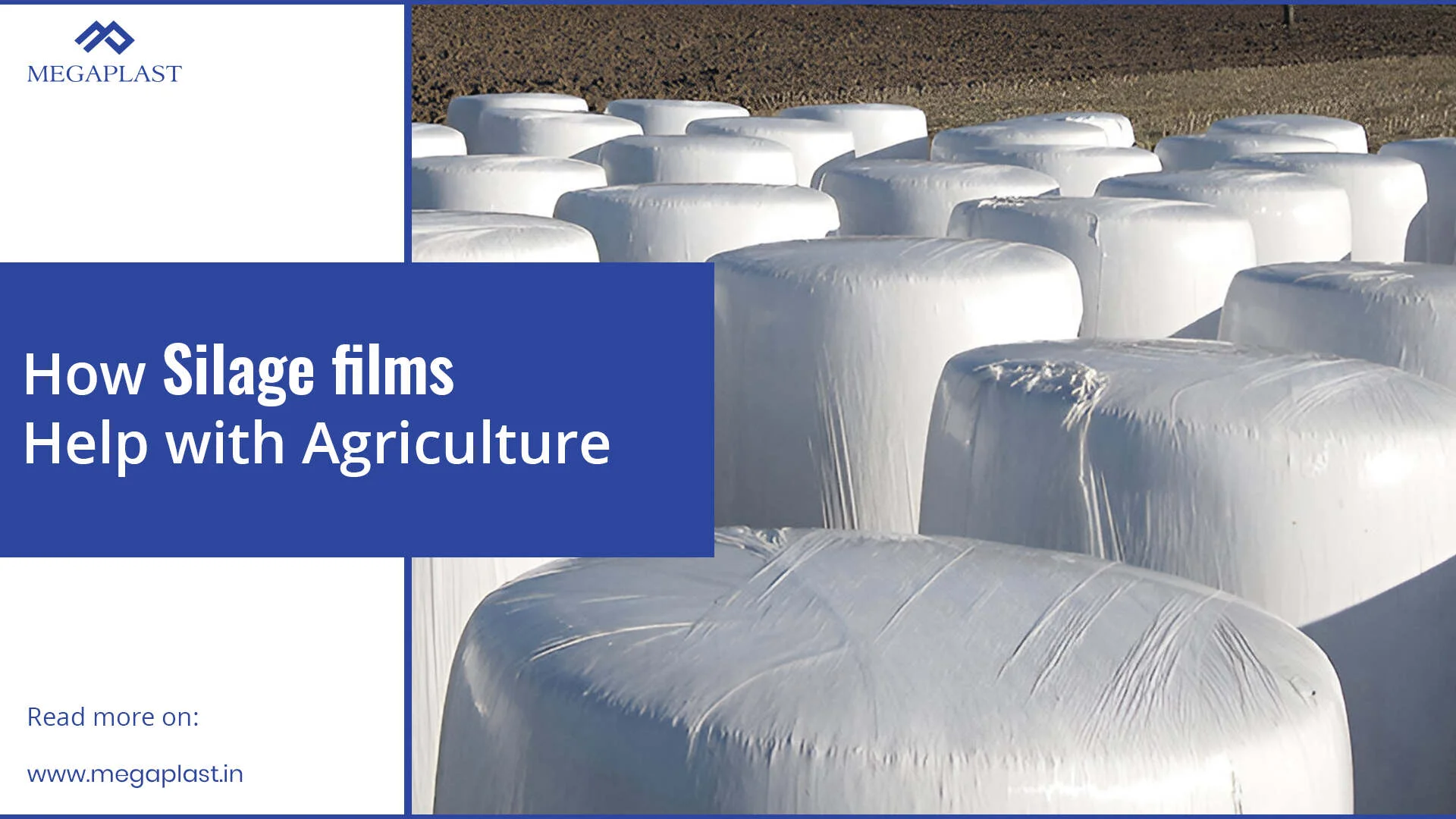
How Silage Films Improve Forage Preservation and Farm Profitability
Silage films are a key post-harvest tool for preserving chopped forage and keeping feed available and nutritious through the year. This article explains how silage films work, practical selection and handling considerations, and procurement points for engineers, farm managers, and buyers.
What silage is and why preservation matters
Silage is fermented forage stored in an anaerobic (oxygen-free) environment. Proper sealing and fermentation limit spoilage and help retain nutrients that livestock need for health and productivity. Poorly preserved silage leads to dry matter loss, reduced palatability and more need for purchased supplements — all of which increase operating costs.
How silage films protect forage
Silage films serve three practical purposes:
- Create a barrier to oxygen to support anaerobic fermentation and reduce spoilage during the early, critical stages of ensiling.
- Provide a physical layer that helps protect chopped forage from rain, dust and animal damage during storage.
- Allow quicker, more consistent wrapping and sealing to reduce the time forage is exposed to air after harvest.
Note: the specific barrier, puncture resistance and UV stability of a film vary by product and manufacturer. Megaplast manufactures agricultural films, including dedicated
Silage Films, and can advise on suitable options for different storage systems.
Choosing the right silage film: practical factors
Consider these factors when selecting film for bales, bunker silos or silo bags:
-
Forage type and moisture
High-moisture crops and different species ferment differently. Match film properties and wrapping technique to the crop and its moisture content.
-
Storage method
Baled silage, bunker silage and silo bags have different mechanical stresses and sealing needs; choose a film designed for the intended application.
-
Local climate and exposure
Regions with strong sunlight, wind, or wildlife pressure need films with appropriate durability and UV stabilization characteristics.
-
Film construction
Multi-layer and co-extruded films can combine barrier and mechanical properties; evaluate based on local conditions and handling equipment.
-
Cost of ownership
Balance unit cost with expected lifetime, damage rates, and the value of reduced feed loss.
Best practices for handling and application
- Start with clean, well-maintained wrapping equipment and trained operators to reduce punctures and poor seals.
- Ensure forage is compacted correctly to minimize oxygen pockets before wrapping or covering.
- Apply film consistently and overlap according to manufacturer guidance to maintain an air-tight barrier.
- Inspect wrapped silage regularly and repair visible damage promptly to prevent localized spoilage.
- Follow local regulations and manufacturer recommendations for storage, reuse and disposal of spent film.
Procurement checklist for engineers and buyers
When sourcing silage film at scale, consider:
- Supplier capacity and consistency — Megaplast’s manufacturing footprint, multi-year experience and annual production capacity can support large-volume requirements; see the Megaplast India homepage for company overview.
- Product range and fit — confirm the supplier offers agricultural products such as Silage Films and broader Agricultural Films if you need multiple film types.
- Quality assurance and lab support — Megaplast operates an Innovation Centre with recognized accreditations that can support product development and testing; request relevant test data when evaluating films.
- Lead times, logistics and after-sales support — review delivery schedules and spare-parts/maintenance support for wrapping machinery where applicable.
- Trial and validation — run small-scale trials on representative forage and storage conditions before committing to full-season purchases.
Environmental and operational considerations
Using silage films can reduce feed waste and dependence on purchased feeds, supporting more efficient and locally based feeding systems. Plan for responsible end-of-life handling of used film: coordinate collection, recycling or disposal consistent with local regulations and circular-economy initiatives.
Conclusion
Well-selected and correctly applied silage films are a practical way to preserve forage quality, reduce feed loss and improve operational flexibility across seasons. For procurement teams and farm managers, the best outcomes come from matching film properties to forage type and storage method, using proper wrapping practices, and validating suppliers through trials and test data.
Talk to Megaplast
Megaplast manufactures agricultural films including dedicated
Silage Films and can advise on options matched to your crop, storage method and region. To discuss specifications, request sample trials or plan a bulk supply, please
request a quote or
contact Megaplast. You can also reach the team at
info@mega-group.in or connect with us on WhatsApp at +91 83569 01123 for direct assistance.