Geomembranes for Infrastructure: How to Choose HDPE, LLDPE and Pond Liners
Geomembranes are engineered polymer barriers used across infrastructure projects to control fluid migration and protect soil and water. Selecting the right material and product—whether for landfills, mining, aquaculture or irrigation—reduces long‑term risk and lifecycle cost. This guide compares common geomembrane options, highlights selection and installation considerations, and points to Megaplast product families suited to typical applications.
What geomembranes do
Geomembranes act as low‑permeability liners and covers that prevent contamination, retain fluids, and separate materials. Typical benefits include containment of leachate or process liquids, reduction of seepage and protection of underlying soils. Performance drivers are base polymer (HDPE vs LLDPE), formulation (UV and chemical stabilizers), sheet thickness, seam quality and installation practices.
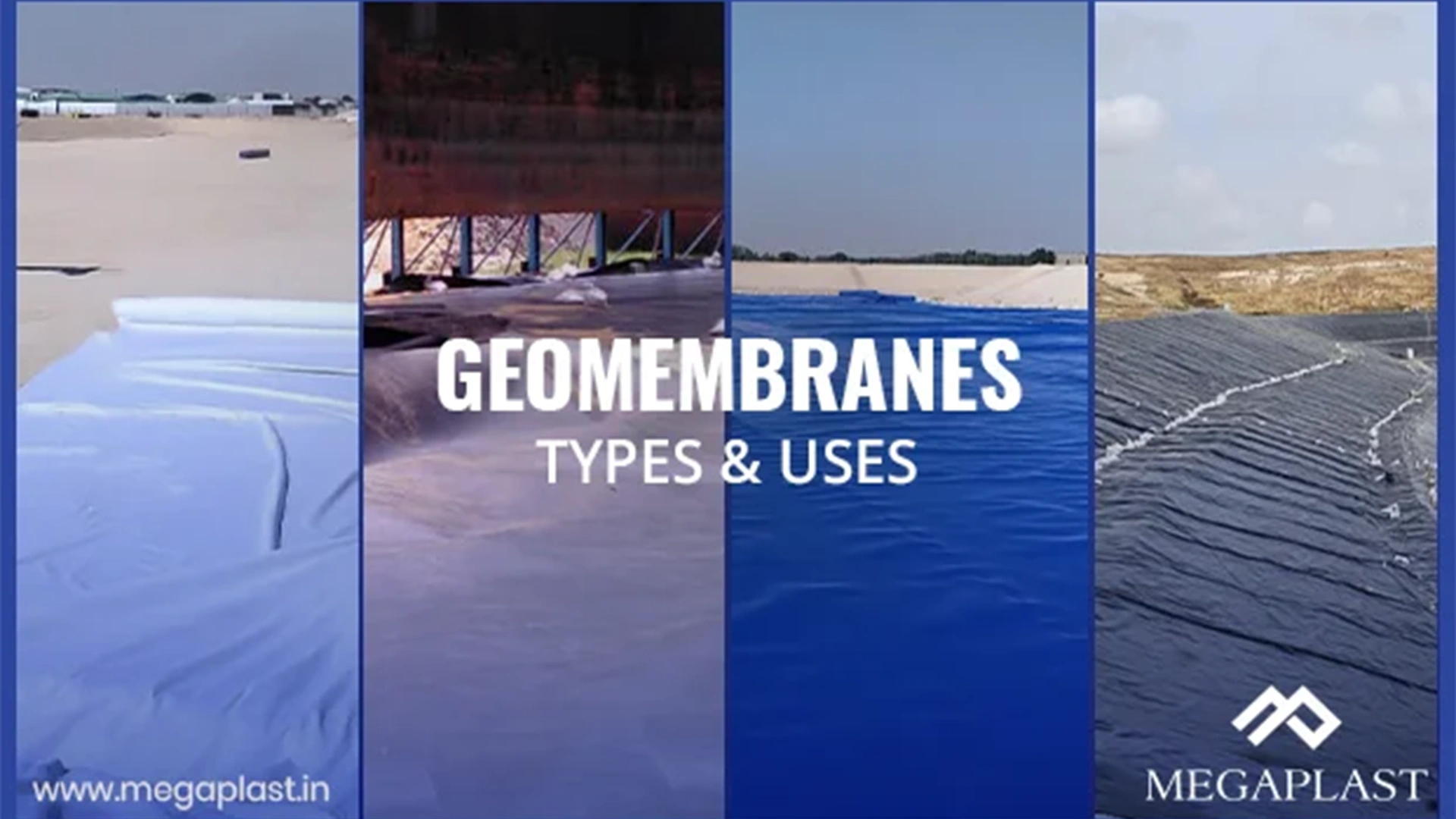
Common geomembrane types and when to choose them
HDPE geomembranes — high strength and stability
High‑density polyethylene liners are commonly specified where tensile strength, puncture resistance and chemical stability are priorities. Megaplast’s
Mega HDPE Liners (offered in product families such as Mega Diamond, Mega Platinum and Mega Gold) are suited to applications like landfill liners, leachate containment, and exposed canal or reservoir linings where long‑term UV and chemical resistance matter.
LLDPE geomembranes — flexibility for dynamic conditions
Linear low‑density polyethylene offers greater flexibility and elongation than HDPE, making it preferable where differential settlement, steep slopes or thermal cycling occur.
Mega LLDPE Liners are typically used for landfill caps, leach pads, floating covers and sites where strain tolerance and seam elongation are required.
Pond liners — engineered for water storage and aquaculture
For fish ponds, agricultural ponds, water storage tanks and irrigation reservoirs, Megaplast’s
Pond Liners are manufactured from high‑quality polyethylene. These liners are available in thicknesses commonly used for pond applications (0.5–2 mm) and are described on the site as 100% virgin PE with low permeability and high UV stabilization—attributes that help extend service life in open‑air water applications.
Key selection and specification considerations
-
Material compatibility
Verify chemical compatibility of the geomembrane polymer with any liquids, sludges or leachates expected on site.
-
Thickness and mechanical properties
Choose thickness by balancing puncture/tensile requirements and installation constraints; thicker sheets improve puncture resistance but increase handling demands.
-
UV stabilization and additives
For exposed installations, ensure the product formulation includes UV stabilization appropriate for the expected exposure period and climate.
-
Seam welding and quality assurance
Seams are the system’s critical components. Specify qualified welding procedures, on‑site testing (e.g., destructive and non‑destructive seam tests) and a QA/QC plan.
-
Subgrade preparation and protection
Proper surface preparation, cushioning layers and protective geotextiles reduce installation damage and extend liner life.
-
Installation environment
Account for slope geometry, anchoring details, thermal expansion and possible mechanical loading from equipment or debris.
-
Lifecycle and maintenance
Define inspection intervals, repair procedures and end‑of‑life considerations as part of the asset management plan.
Applications at a glance
-
Landfills and waste containment
Barrier and cap systems using HDPE or LLDPE depending on settlement and chemical exposure.
-
Mining and process ponds
Chemical stability and seam integrity are critical—HDPE or appropriately formulated LLDPE can be specified.
-
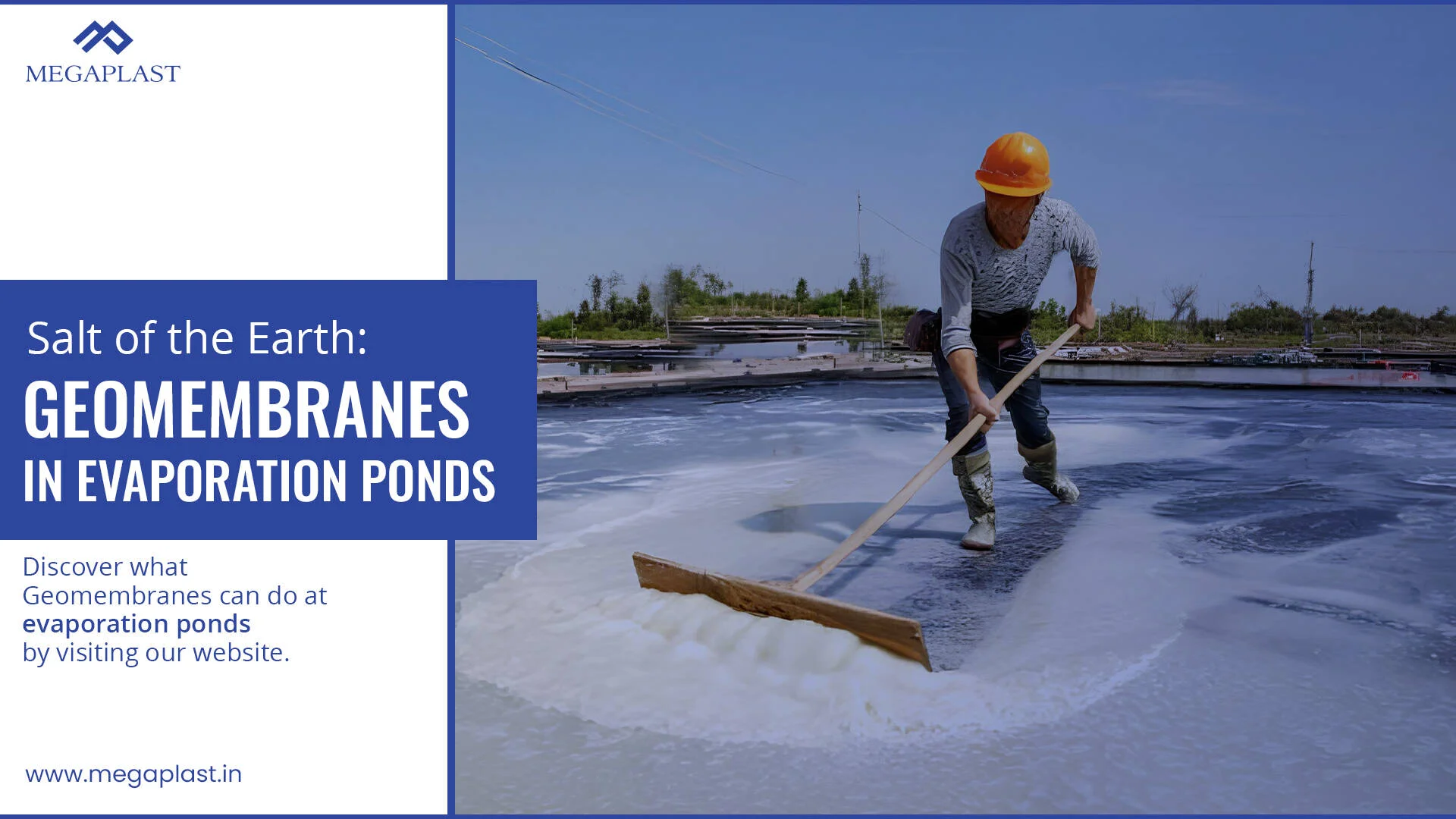
Aquaculture and irrigation reservoirs
Pond liners sized for water retention and UV exposure control.
-
Canals and water conveyance
Liners that minimize seepage and reduce water loss.
Why work with an experienced manufacturer
Selecting the optimal geomembrane requires coordination between designers, specifiers, installers and suppliers. Megaplast manufactures geomembranes and related films with a demonstrated production footprint and support resources: 19+ years in business, a team of 400+ professionals, roughly 24,000 MT annual production capacity and a 300,000 sq. ft. manufacturing footprint with presence in 30+ countries. Megaplast also supports development through a GAI‑LAP‑ and NABL‑certified Innovation Centre where product and process testing can be undertaken.
Conclusion
Geomembrane selection—HDPE, LLDPE or pond liner—should be driven by site conditions, chemical exposure, flexibility needs and installation constraints. Focusing on material compatibility, seam quality and correct installation will reduce lifecycle risk and costs. For engineers, procurement teams and project owners, aligning specifications with the right product family (such as Megaplast’s MegaLiners or Pond Liners) and a robust QA plan is essential to long‑term performance.
Talk to Megaplast
If you have a project that needs containment or lining solutions,
request a quote or
contact Megaplast to discuss suitable products such as our
MegaLiners or
Pond Liners. You can also reach our team at
info@mega-group.in or +connect with us on WhatsApp at +91 83569 01123 for technical guidance and specification support.