Plastics with Purpose: Practical Guidance on PE Geomembranes and Liners
The plastics sector continues to enable infrastructure, water management and industrial packaging solutions while facing growing regulatory and customer expectations on sustainability. This article provides practical, non‑technical guidance for engineers, procurement teams, manufacturers and farmers evaluating polyethylene (PE) geomembranes and liners for containment, water storage and other field applications.
Why PE geomembranes and liners remain widely used
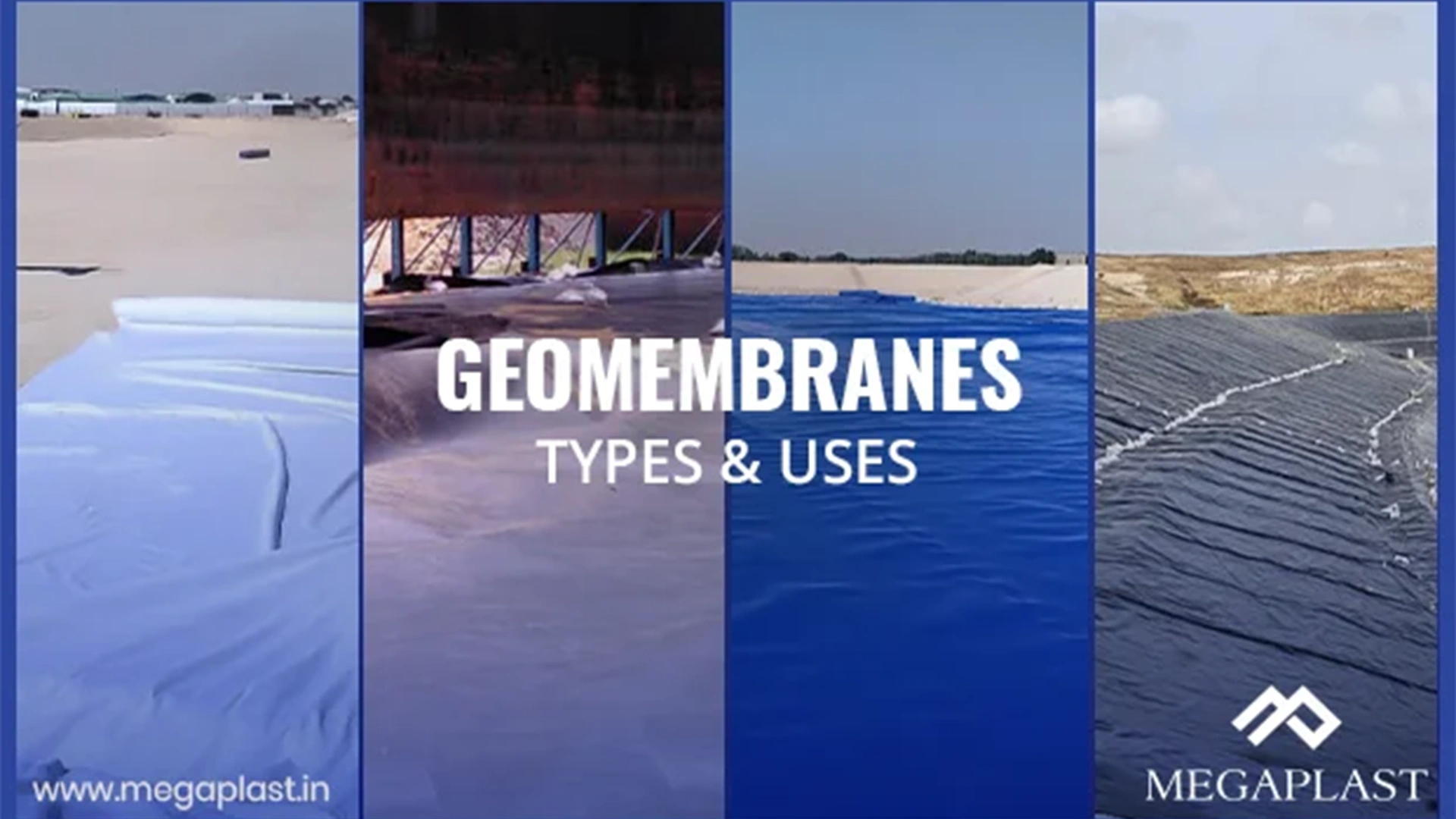
PE geomembranes and industrial liners are chosen for their chemical resistance, flexibility and cost-effectiveness versus alternative barrier systems. Megaplast supplies a range of geomembrane and liner options tailored to different site conditions and service demands. For a product overview, see Megaplast’s
Geomembranes and the
MegaLiners range.
Key factors to evaluate when specifying a liner
-
Service environment
Consider chemicals present, temperature ranges and UV exposure. Liners used in exposed surface applications require higher UV stabilization.
-
Mechanical risks
Anticipate puncture and tear hazards during installation and operation (rocky subgrades, heavy equipment traffic). Textured liners can improve friction and reduce slippage on slopes.
-
Movement and settlement
Where the substrate or cover will shift, prioritize materials with higher elongation and flexibility.
-
Installation and jointing
Welding quality and available seaming procedures influence long‑term performance.
-
Maintenance and inspection
Consider access for repairs and whether the liner will be covered or exposed.
Material selection: HDPE vs LLDPE
HDPE Liners — when to choose
High‑density polyethylene liners are typically selected for projects that prioritize tensile strength, chemical resistance and low permeability. Megaplast’s
HDPE Liners (the Mega Diamond, Mega Platinum and Mega Gold lines) are positioned where high strength and puncture resistance are key considerations. Smooth and textured variants are available to match site requirements.
LLDPE Liners — when flexibility matters
Linear low‑density polyethylene offers greater flexibility and elongation than HDPE, making it better suited to applications with differential settlement, dynamic loading or where conformability is important. Megaplast’s
LLDPE Liners are commonly used for landfill caps, leachate pads, floating covers and other conditions requiring higher strain capacity.
Smooth vs textured surfaces
Smooth liners provide excellent impermeability and ease of cleaning; textured (single or double textured) liners improve friction and anchorage on slopes. The
MegaLiners portfolio includes these variants so designers can match surface characteristics to installation and slope stability needs.
Pond liners and agricultural water containment
For fish ponds, irrigation reservoirs and on‑farm water storage, material choice balances durability, UV stability and ease of installation. Megaplast’s
Pond Liners are specified as high‑quality PE in thicknesses commonly used for these applications. When selecting a pond liner evaluate abrasion risk, animal activity and exposure to sunlight.
Practical procurement and specification tips
- Request material datasheets and welding/installation guidelines from suppliers early in the bid process.
- Specify inspection and testing requirements for seams (e.g., nondestructive seam testing) so contractors price appropriately.
- Allow for protective layers (geotextiles) where puncture risk is elevated.
- Match warranty and performance criteria to the operating life expected for the project.
What Megaplast brings to projects
Megaplast India has over 19 years of experience, a team of 400+ professionals, a 300,000 sq. ft. manufacturing footprint and an annual production capacity of 24,000 MT. The company operates in 30+ countries and supports product development through a GAI‑LAP‑ and NABL‑certified Innovation Centre. These capabilities support consistent supply, technical support and product development for geomembranes, liners and agricultural films.
Conclusion
Selecting the right PE liner depends on the project’s chemical, mechanical and environmental demands. HDPE offers strength and low permeability; LLDPE provides conformability and elongation. Textured surfaces, appropriate thickness, proper seams and installation practices complete a reliable containment solution. Use the guidance above to define requirements that contractors and suppliers can price and deliver with confidence.
Talk to Megaplast
For project specifications, technical datasheets or installation guidance,
request a quote or email
info@mega-group.in. Our team can advise on MegaLiners, HDPE and LLDPE options and help match product selection to your site conditions or operational requirements. Contact us with your queries at info@mega-group.in, via WhatsApp at +91 83569 01123, or by phone at +91 22 6106 6000.