How Megaplast Geomembranes Reduce Environmental Risk and Conserve Water
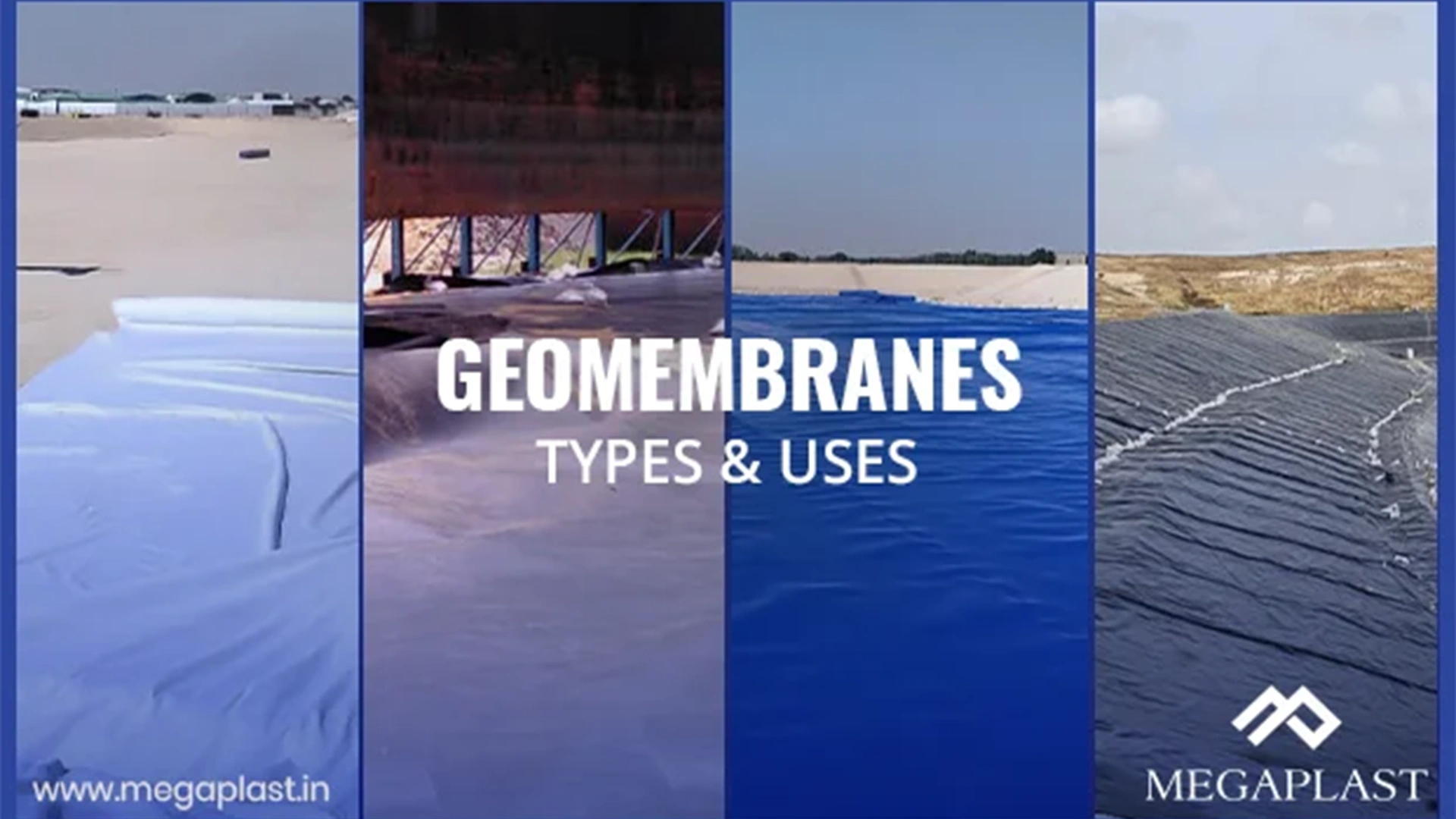
Geomembranes are engineered polyethylene liners used to contain liquids, control seepage and protect soil and groundwater. For engineers, procurement teams and project managers, choosing the right geomembrane can lower environmental risk, reduce operating loss and simplify long-term maintenance. Megaplast’s geomembrane range — including the MegaLiners family and dedicated pond liners — is positioned to address these needs across water management, aquaculture, waste containment and renewable-energy support applications.
How geomembranes prevent contamination
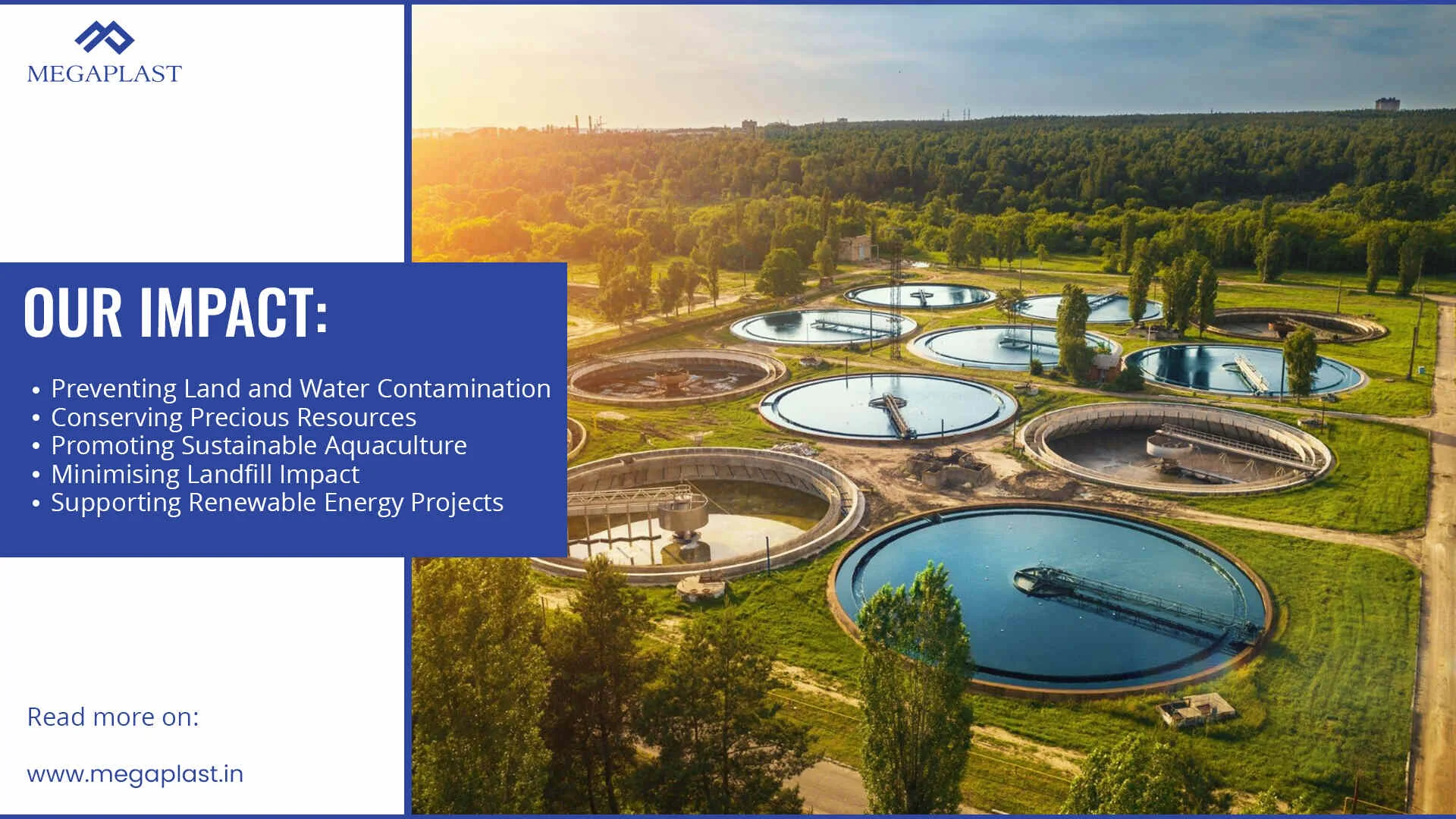
Impermeable polymer liners act as a barrier between potentially contaminating materials and the environment. Installed as base liners or caps, geomembranes limit leachate migration from landfill cells and containment ponds, helping protect groundwater and soil. For engineered containment, consider Megaplast’s
MegaLiners portfolio, which offers smooth, single-textured and double-textured variants to suit different interface and anchorage requirements.
Applications in landfill and waste management
In modern landfill design, a reliable liner system is part of a multi-layer containment strategy. Geomembranes serve as the primary impermeable layer to contain leachate and allow for controlled collection and treatment. Specify liner type and texture based on underlying subgrade conditions, anticipated stresses, and gas or leachate chemistry. Megaplast’s
HDPE liners such as the Mega Diamond, Mega Platinum and Mega Gold options are positioned where high stiffness and chemical stability are priorities.
Conserving water with lined reservoirs and canals
Seepage from reservoirs, canals and irrigation ponds can be a major source of water loss. Lining these structures with geomembranes reduces percolation and improves overall water-use efficiency. For managers of agricultural or municipal water assets, specify a liner thickness and polymer type suited to soil conditions, expected UV exposure and mechanical stresses. Where flexibility and elongation under dynamic conditions are required (for example, variable pond bottoms or floating covers), consider Megaplast’s
LLDPE liners, which are positioned for higher elongation and resistance to stress cracking.
Pond liners for aquaculture and irrigation
Controlled aquaculture systems and agricultural ponds benefit from liners that prevent nutrient-rich water from entering natural waterways. Megaplast’s
Pond Liners are manufactured from high-quality, 100% virgin PE in thicknesses typically used for pond applications (0.5–2 mm) and are formulated for low permeability and enhanced UV stability — attributes that matter for long-term pond performance.
Supporting renewable-energy and industrial applications
Geomembranes contribute to renewable-energy systems by lining cooling ponds, wastewater basins and containment for geothermal and concentrated-solar installations. Selecting the right polymer and surface texture helps manage heat exposure, chemical contact and installation loads. Where heavy mechanical or thermal stresses are expected, consult technical teams early to match the liner type — for example, switching between HDPE for chemical and thermal stability versus LLDPE for flexibility.
Practical guidance for specification and procurement
-
Define project priorities first
impermeability, chemical resistance, flexibility, UV exposure, and puncture/tear resistance.
-
Match texture to interface needs
smooth sheets for laminated systems, textured sheets for improved friction against soil or ballast.
- Ask for fabrication and seam-welding capability, and confirm testing or inspection options for field seams.
- For long-term performance, plan for proper subgrade preparation, protection layers (geotextiles) and a quality assurance/quality control plan during installation.
Megaplast’s in-house innovation capability — supported by a GAI-LAP- and NABL-certified Innovation Centre — can assist with material selection and trial recommendations for complex projects.
Conclusion
When specified and installed correctly, geomembranes reduce environmental risk, conserve water and enable more sustainable aquaculture and waste-management practices. Megaplast’s product range, from the
Geomembranes line to specialized
MegaLiners and
Pond Liners, is intended to support diverse project needs. With 19+ years of experience, a 24,000 MT annual production capacity and a workforce of 400+ professionals, Megaplast can support project-scale sourcing and technical dialogue.
Contact & Quotes
For project-specific guidance, samples or technical datasheets, you can
request a quote or
contact Megaplast to discuss MegaLiners or pond liner options. Our team can advise on material selection and installation considerations to align with your environmental and operational goals. Contact us with your queries at info@mega-group.in, via WhatsApp at +91 83569 01123, or by phone at +91 22 6106 6000.