Geomembranes for Tunnel Waterproofing: Selecting MegaLiners (HDPE & LLDPE)
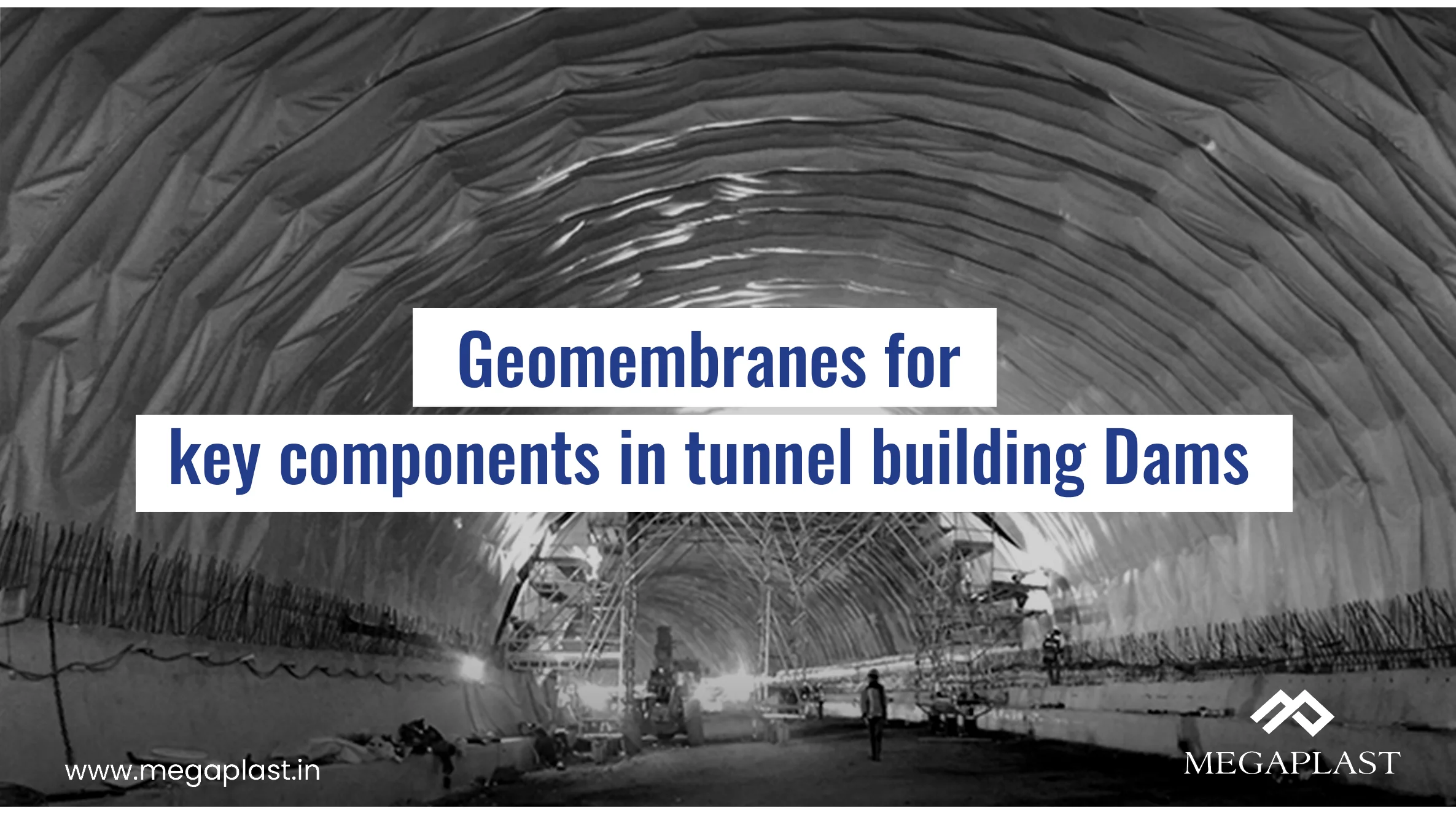
Tunnels require reliable systems to manage water, gases and potentially contaminating fluids. Polyethylene geomembranes are commonly used as one layer in tunnel lining systems to provide impermeability, chemical resistance and mechanical protection. This article explains how geomembranes function in tunnels, compares HDPE and LLDPE options, and highlights key design and installation considerations for project teams.
How geomembranes improve tunnel performance
Waterproofing and seepage control
Geomembrane liners act as continuous barriers that prevent external groundwater from penetrating the structural lining. Installed behind the concrete or segmental lining and paired with appropriate drainage, they reduce hydrostatic pressure on the structure and channel infiltrated water to collection systems. For long-term performance, choose geomembranes with proven resistance to the site’s chemical and UV exposure and provide mechanical protection where backfill or shotcrete may abrade the sheet.
Controlling gas migration and contamination
Geomembranes limit the migration of gases (for example, methane from surrounding formations) and confine accidental spills or contaminated seepage within defined collection/sump systems. This containment capability helps protect both tunnel occupants and nearby ecosystems when used as part of an integrated lining and drainage design.
Durability and mechanical protection
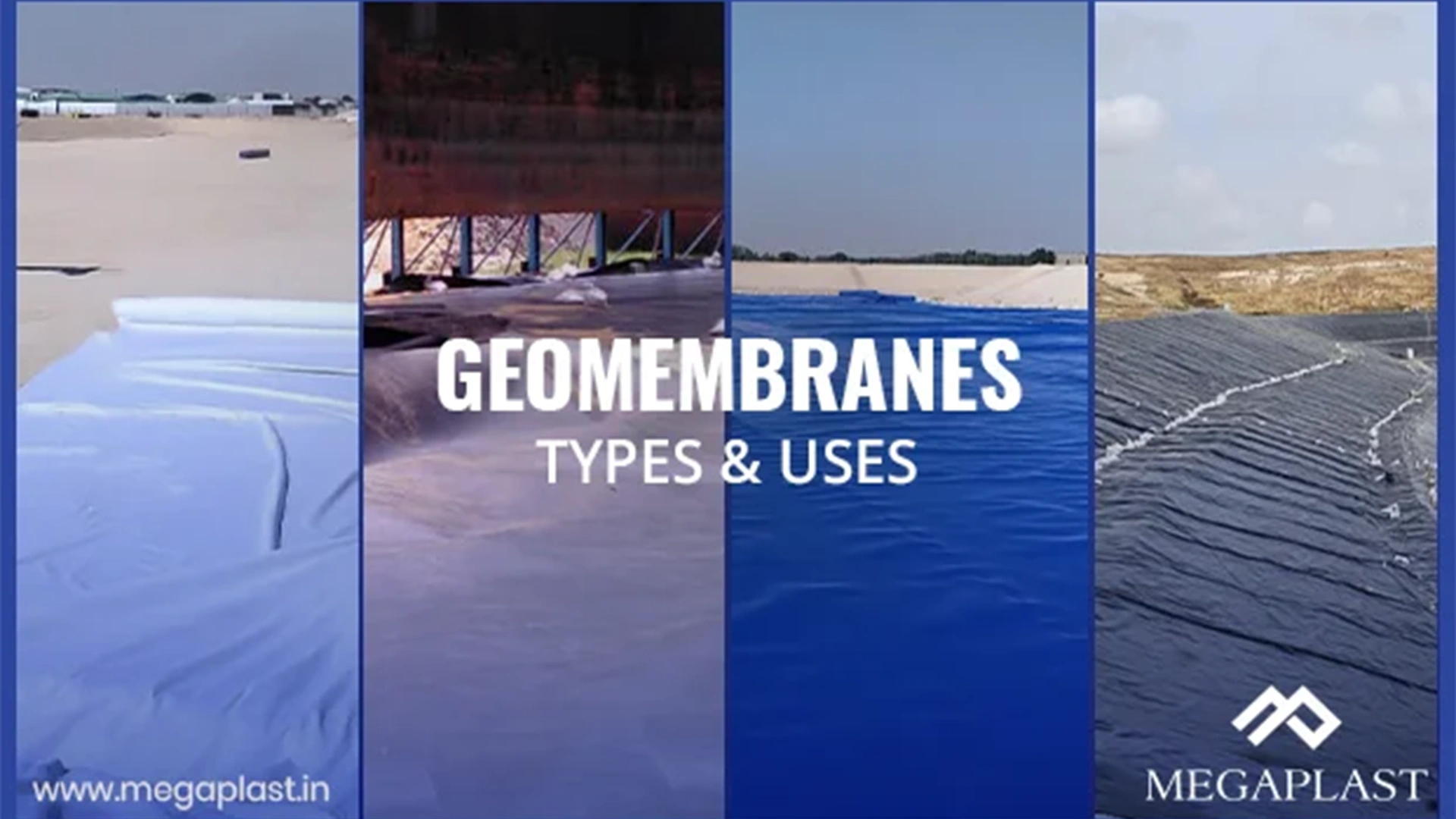
Textured or smooth geomembrane surfaces and the base polymer (HDPE or LLDPE) influence tear, puncture, and long-term creep performance. In many tunnel applications, textured liners improve friction at interfaces and can aid drainage contact, while heavy-duty liners provide resistance to multiaxial stresses and point loads. Selecting the appropriate protection layers (geotextiles, shotcrete, or protective boards) is essential where backfill or construction activities pose puncture risks.
Choosing the right material: HDPE vs LLDPE
- HDPE liners are typically chosen for high chemical resistance, low permeability, and dimensional stability. They are commonly specified where long-term impermeability and resistance to aggressive groundwater chemicals are priorities. See Megaplast’s HDPE Liners for product context.
- LLDPE liners offer greater flexibility and elongation, which can be advantageous in installations subject to differential settlement, dynamic loads, or complex geometries. LLDPE is often selected for applications such as caps, covers, or where the liner must accommodate movement. See Megaplast’s LLDPE Liners.
Megaplast markets its impermeable sheets under the
MegaLiners family with smooth, single-textured and double-textured variants suited to different interface and drainage needs.
Design and installation considerations for tunnels
-
Continuity and welding
Seam integrity is critical. Ensure butt-welds, extrusion welds or other jointing methods meet project QA/QC requirements and are executed by trained technicians.
-
Drainage and collection
Geomembranes should be paired with a designed drainage layer and collection system to control water routed to sumps and pumps, preventing uncontrolled accumulation behind the liner.
-
Interface with concrete and lining systems
Provide compatible detailing where the geomembrane meets segments, joints or service penetrations. Friction, anchorage and protection against abrasion must be addressed in the design.
-
Protection against construction damage
Use protective geotextiles or sacrificial layers where installers or rockfill may damage the liner during construction.
-
Quality assurance and testing
Implement on-site weld testing, visual inspections, and material verification. While specific test protocols depend on project requirements, a robust QC plan reduces rework and long-term risk.
Applications beyond primary waterproofing
Geomembranes used in tunnel works are also applicable to ancillary infrastructure—such as water or sewage conveyance tunnels, retention basins and cut-and-cover structures—where containment, chemical resistance and ease of repair are needed. Megaplast’s geomembrane products are also used in other containment contexts like landfills and ponds; for water storage applications, review the
Pond Liners range, which specifies 100% virgin PE and UV stabilization for water containment.
Conclusion
Polyethylene geomembranes are a versatile component of tunnel lining systems, providing waterproofing, seepage control, gas migration barriers and containment. Selecting the right polymer type, texture and protection strategy — and pairing the liner with a designed drainage and QA/QC program — helps ensure reliable long-term performance for tunnel projects.
Talk to Megaplast
Megaplast has 19+ years of experience and a dedicated Innovation Centre supporting product development for geomembranes and containment liners. If you would like technical guidance or a project quote for
MegaLiners,
HDPE liners or
LLDPE liners, please
request a quote or
contact Megaplast. You can also email
info@mega-group.in or connect on WhatsApp at +91 83569 01123 for immediate assistance.