Radon Barriers for Buildings: Materials, Functions and Installation Best Practices
Radon is an odorless, radioactive gas that can migrate from the ground into buildings through cracks and openings in foundations. A continuous membrane — commonly referred to as a radon barrier — is one element of an effective mitigation strategy. This article explains how radon barriers work, which materials are used, and practical installation considerations for engineers, contractors and procurement teams.
What a radon barrier is and how it works
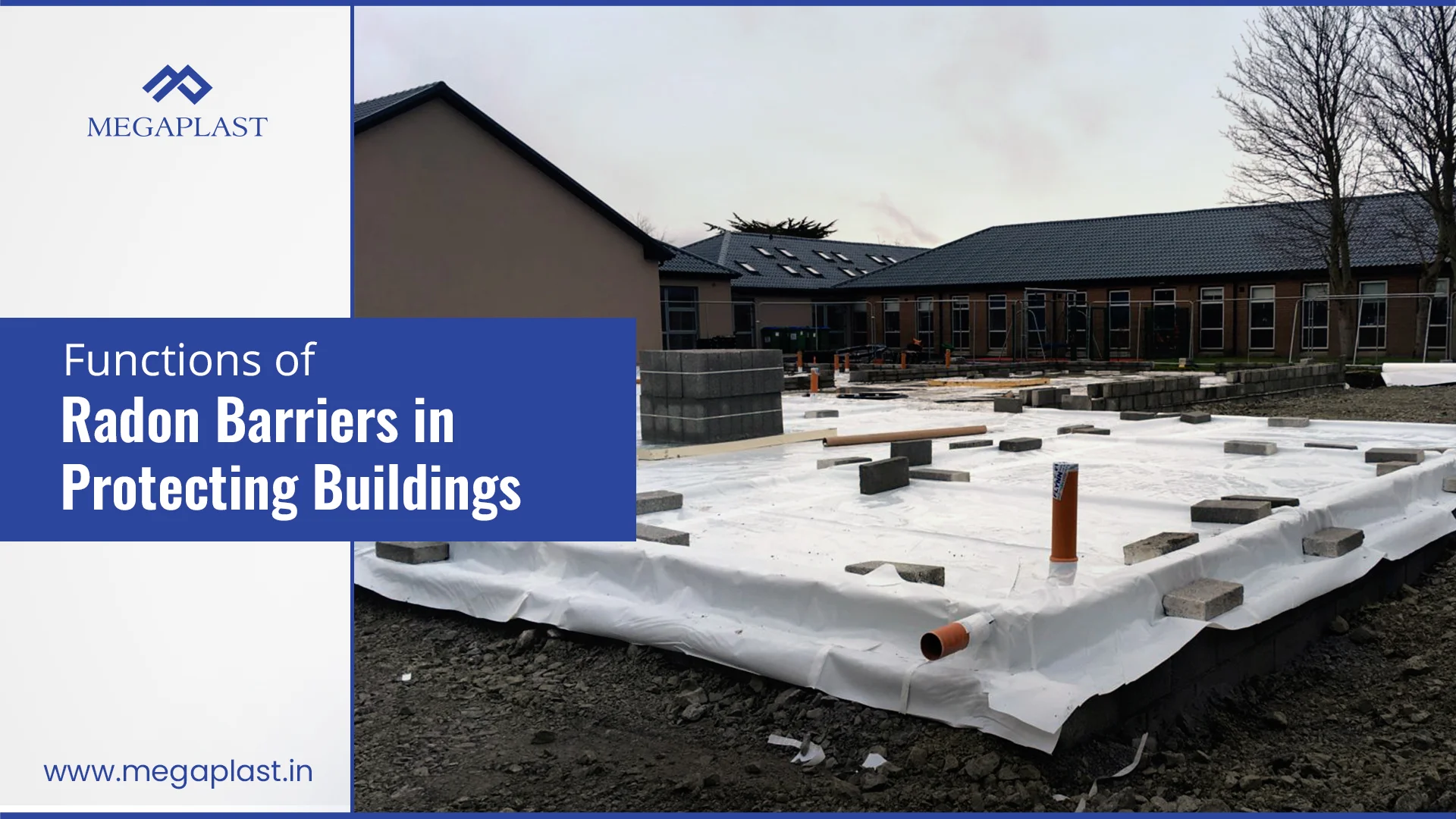
A radon barrier is a gas-impermeable membrane installed between the ground and the building envelope to limit subsurface gas diffusion into occupied spaces. Manufacturers may produce radon barriers using different constructions:
- Multi-layer films that include a gas-impermeable core (for example, EVOH-containing 7-layer constructions described by some suppliers) to reduce radon diffusion while retaining flexibility for installation.
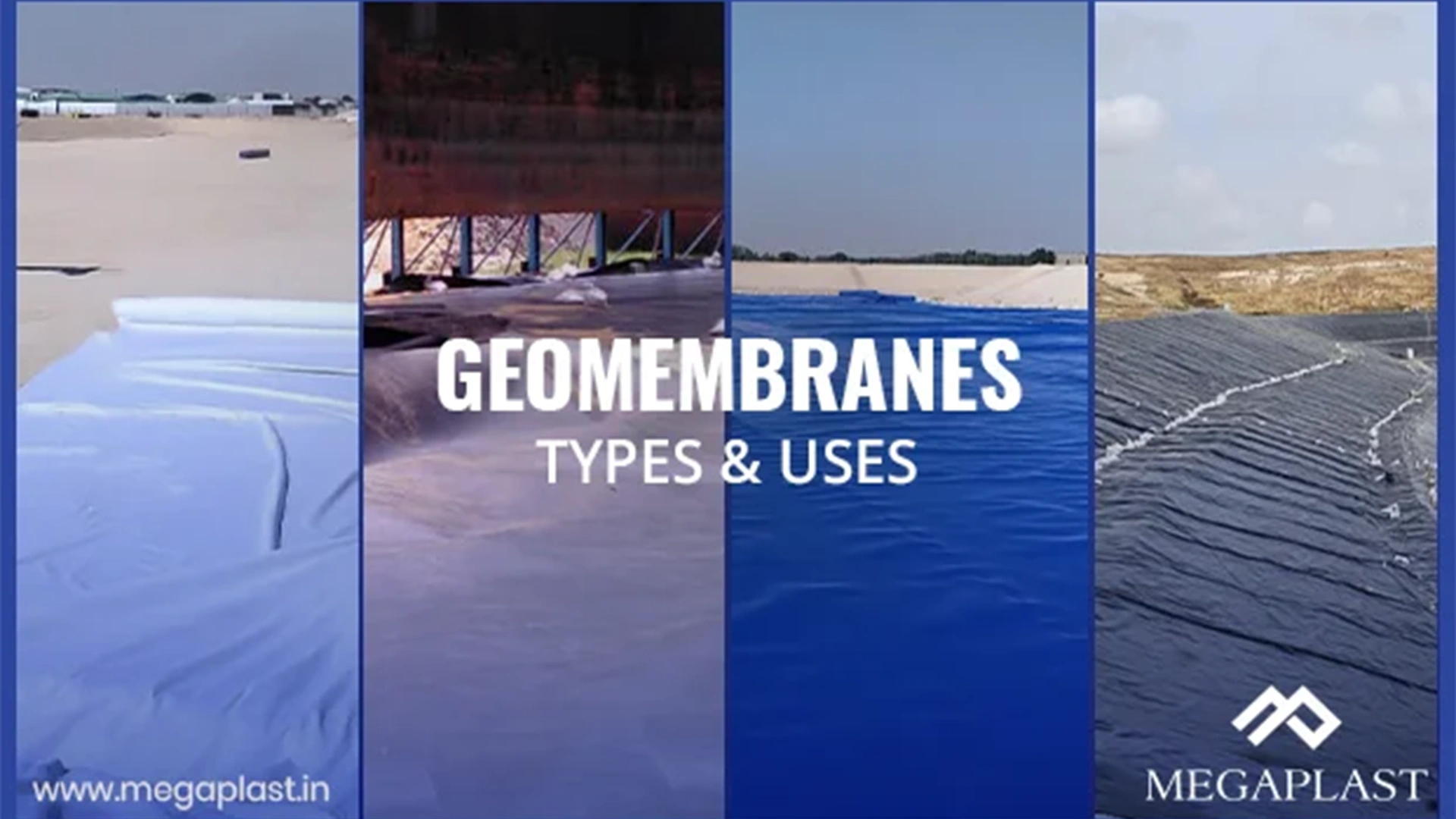
- Polyethylene-based geomembranes, such as those offered under Megaplast’s MegaLiners family, which are engineered to provide low permeability and mechanical resistance where structural protection is also important.
Megaplast’s wider geomembrane range can be explored via the
Geomembranes and
Speciality Films pages, while thicker, mechanically robust options are available among
HDPE Liners and
LLDPE Liners depending on site conditions.
Key functions of radon barriers
1. Limiting radon entry
The primary function is to provide a continuous low-permeability layer beneath slabs or within sub-slab voids to interrupt radon pathways. Continuity and proper sealing at seams, wall interfaces and utility penetrations are critical to performance.
2. Protecting against other soil gases
Radon barriers can also reduce infiltration of other subsurface gases (for example methane and some VOCs) when constructed from materials with low gas permeability. For projects where multiple soil gases are a concern, specify a membrane with appropriate chemical resistance and mechanical robustness.
3. Contributing to indoor air quality and occupant safety
When combined with engineered ventilation or active sub-slab depressurization systems, a membrane helps control indoor radon concentrations and contributes to a healthier indoor environment.
4. Providing durable separation and structural protection
A suitably selected membrane can resist puncture and tearing during installation and early service life. For applications that require higher toughness, consider geomembranes or textured liners designed for mechanical protection and ease of handling.
Material selection considerations for project teams
-
Gas permeability
Materials with an EVOH layer or other gas-barrier cores reduce diffusion. Specify material construction and request manufacturer permeability data where necessary.
-
Mechanical strength
Choose a membrane with puncture and tear resistance appropriate to on-site conditions (rocky subgrades, heavy traffic during construction). Thicker or textured MegaLiners variants can improve handling and protection.
-
Compatibility and longevity
Confirm chemical compatibility with site contaminants and UV exposure expectations. For membranes exposed to sunlight during storage or installation, use UV-stabilized materials or provide temporary protection.
-
Integration with other systems
Plan membrane terminations for connection to foundation walls, footings, drainage layers and venting systems to preserve continuity.
Installation best practices
-
Continuous coverage
Install membranes with recommended overlaps and seal seams using factory-approved welding or tapes to maintain gas-tightness.
-
Detail work
Use proper detailing around penetrations, pipes and service entries; transitional collars or boots reduce leakage risk.
-
Protection layers
Protect the membrane from construction damage with geotextiles, insulation boards or a layer of granular fill before placing concrete slabs.
-
Quality assurance
Implement on-site inspection and seam testing procedures. Follow up with commissioning radon testing to verify the effectiveness of the installed system.
When to engage specialists
Complex sites with high radon potential, variable geology, or multiple soil gases benefit from early involvement of geotechnical and building-envelope specialists. Procurement teams should request technical datasheets, installation guides and references for similar projects when evaluating suppliers.
Conclusion
Radon barriers are a practical component of a broader mitigation strategy to reduce subsurface gas entry into buildings. Selecting the right membrane construction, detailing connections correctly, and protecting the membrane during construction are the factors that most influence long-term performance. For many projects, combining a low-permeability membrane with active or passive venting and post-installation testing provides the most reliable outcome.
Talk to Megaplast
Megaplast has extensive experience in PE geomembranes and related films; explore product options on the
Geomembranes and
MegaLiners pages to identify suitable constructions. When you are ready,
request a quote or
contact Megaplast to discuss site-specific requirements—you can also reach the team at
info@mega-group.in connect with us on WhatsApp at +91 83569 01123.