PE Films for Supply Chain and Agriculture: Benefits, Selection and Applications
Polyethylene (PE) films are a versatile material class used across logistics, manufacturing, agriculture, packaging, containment, and water-management applications. Their combination of flexibility, barrier performance, durability, and processability makes them a practical choice for protecting products, securing loads, managing crops, and controlling water or other materials.
This guide explains the key benefits of PE films, how to select the right film type for different operating conditions, and where Megaplast’s product families fit typical supply chain, agricultural, packaging, and containment requirements.
Why PE Films Matter in Supply Chain and Agriculture
PE films serve two broad roles: protective packaging across the supply chain and functional membranes in agricultural and containment applications. When properly selected, PE films can help reduce product damage, control exposure to environmental conditions, improve handling efficiency, and support more effective resource management.
Benefits of PE Films for Supply Chain Management
-
Protection from Environmental Exposure
PE films can provide a barrier against dust, dirt, and incidental moisture during storage and transportation. Depending on the application, films can be supplied in formats suited to wrapping, packaging, or converting operations.
For stretch, shrink, and roll-based applications, explore Megaplast’s PE Films in Roll Form and broader Industrial Packaging solutions.
-
Unitization and Load Stability
Films used for pallet wrapping and load securing can help maintain product stability during storage and transportation. Properly selected packaging films can reduce load shifting and help minimize damage caused by movement during handling and transit.
-
Lightweight and Cost Efficiency
PE films are lightweight compared with many rigid packaging alternatives. This can help reduce material weight, handling requirements, and transportation costs while maintaining package integrity when the film is correctly specified for the application.
Benefits of PE Films for Agricultural and Water-Storage Applications
-
Crop and Soil Management
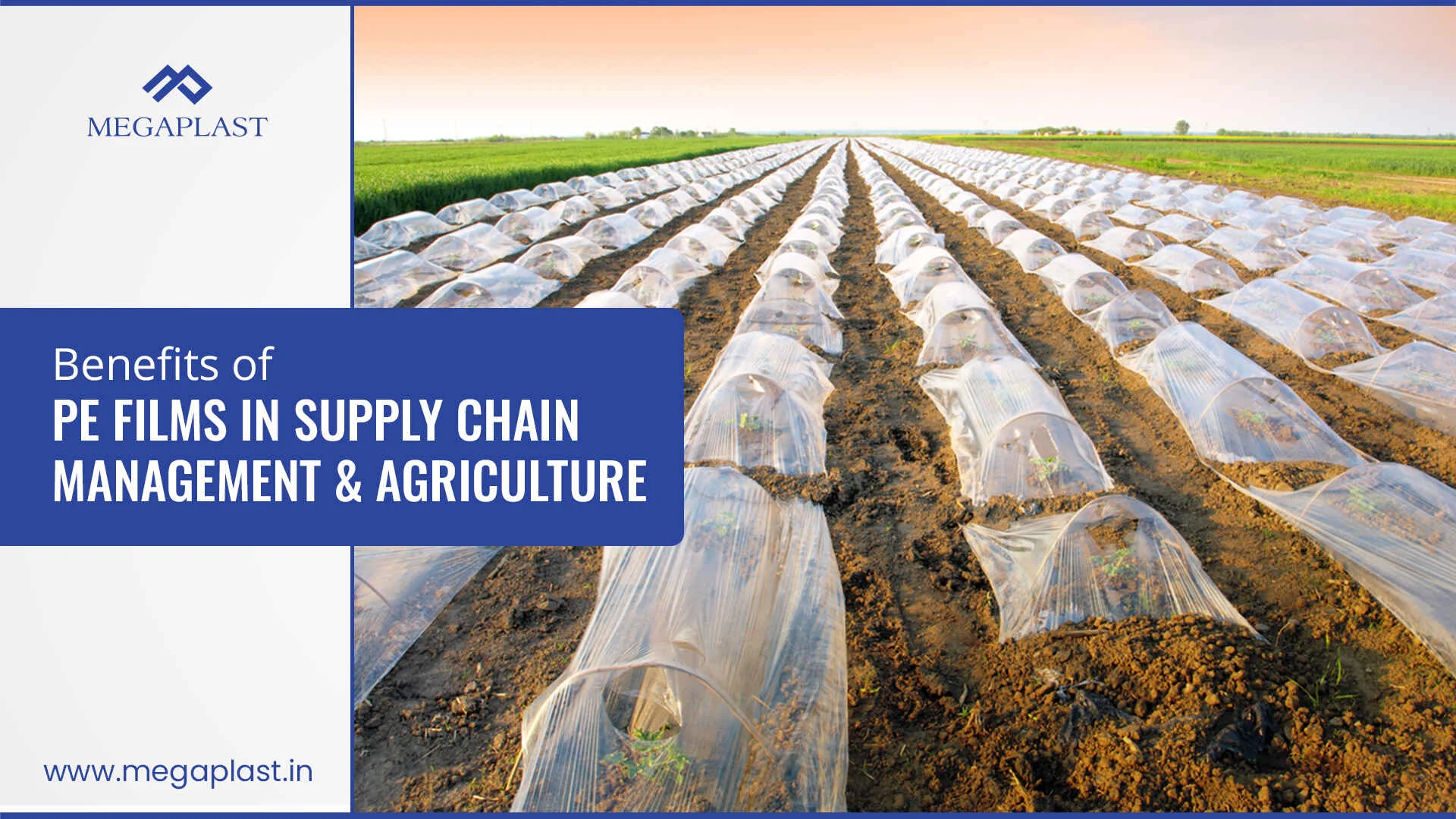
Agricultural films such as mulch films can support moisture retention, weed management, and soil-temperature control. Silage films help protect preserved forage and support the quality of stored agricultural feed.
-
Water Containment
High-quality PE pond liners can reduce water seepage from irrigation reservoirs, farm ponds, fish ponds, and other water-storage structures. Proper lining can improve water retention and support more efficient water management.
Megaplast’s Pond Liners are designed for agricultural and water-storage applications and are available in industry-standard thickness ranges.
-
Engineered Geomembrane Containment
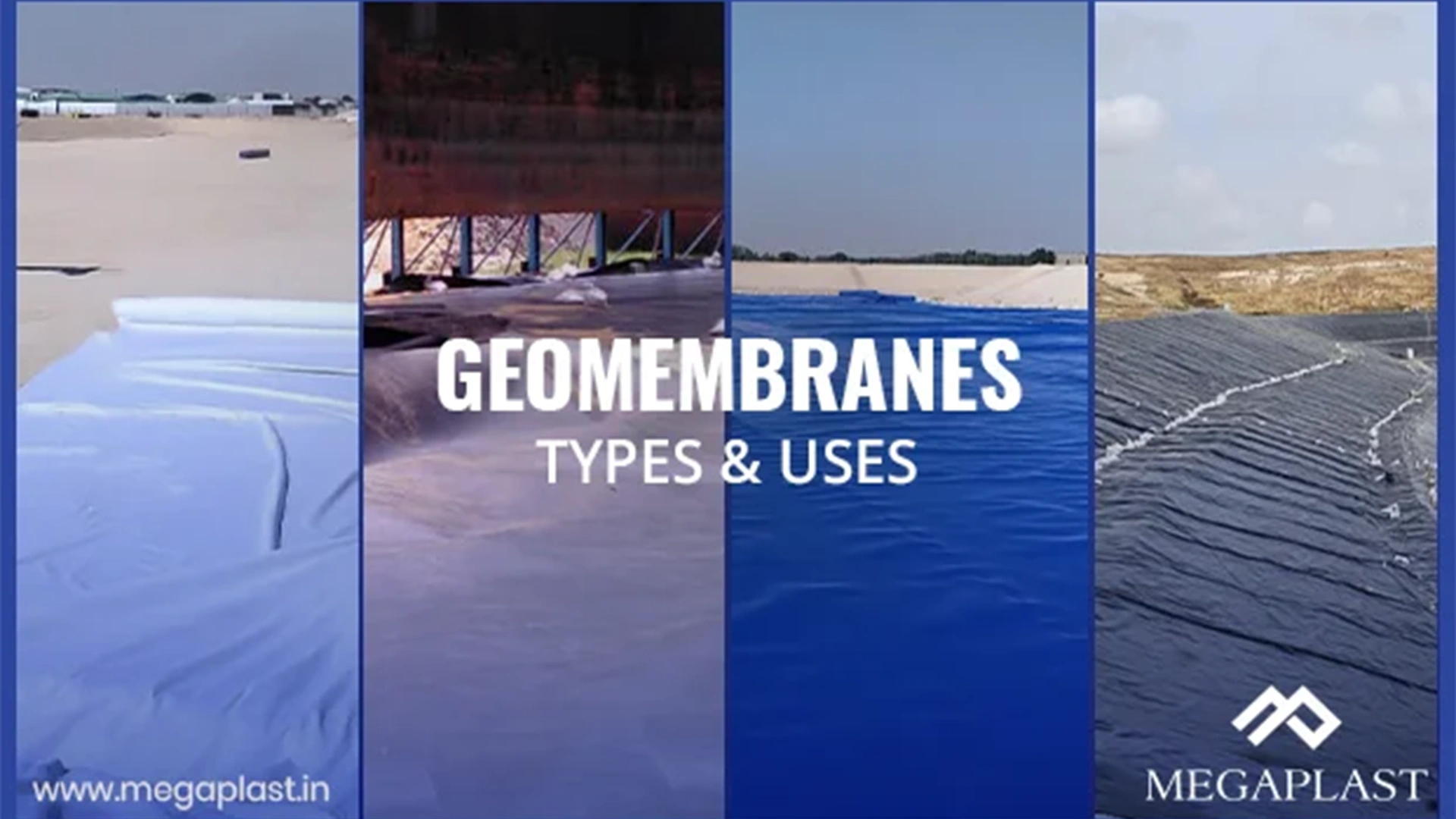
For engineered containment applications such as landfill caps, leach pads, floating covers, and other environmental protection systems, Megaplast offers geomembrane solutions including MegaLiners and LLDPE Liners.
These solutions can be selected according to project requirements involving mechanical strength, chemical resistance, flexibility, elongation, and site conditions.
Choosing the Right PE Film: Materials and Properties to Consider
Engineers, procurement teams, packaging specialists, and project owners should match film selection to the application environment. The correct choice depends on the material properties required, operating conditions, processing method, and expected service life.
-
Polymer Type
HDPE films and geomembranes generally provide high strength, stiffness, and puncture resistance and can be suitable for static or high-load applications. LLDPE generally provides greater flexibility and elongation, making it suitable for applications where movement, settlement, folding, or thermal cycling is expected.
-
Thickness and Mechanical Resistance
Film thickness influences mechanical performance, handling characteristics, and resistance to puncture and tearing. Thicker films can provide increased mechanical resistance, but the optimum thickness should be determined by application requirements, installation conditions, handling, and logistics.
-
UV and Chemical Stability
Outdoor and chemically aggressive environments require careful consideration of UV stabilization and chemical compatibility. The film should be specified according to the expected exposure conditions, operating temperature, chemicals, and required service life.
Megaplast’s geomembrane solutions are developed for applications where chemical resistance, UV stability, and long-term containment performance are important considerations.
-
Form Factor and Processing Requirements
For packaging applications, film format must be compatible with the customer’s filling, wrapping, sealing, and converting equipment. Roll films and Form-Fill-Seal formats can support automated packaging processes when the film is appropriately engineered for the machinery and product.
Explore Megaplast’s FFS Films and PE Films in Roll Form for industrial packaging requirements.
PE Film Applications Across Different Industries
The versatility of polyethylene films allows them to be used across several industries and operating environments. Typical applications include:
| Application Area |
Typical PE Film Requirement |
| Logistics and Transportation |
Load protection, pallet wrapping, unitization, dust and moisture protection, and transportation stability. |
| Industrial Packaging |
Packaging films, FFS films, roll films, liners, and other formats designed for manufacturing and automated packaging operations. |
| Agriculture |
Mulch films, silage films, greenhouse films, and pond liners for crop protection, feed preservation, cultivation, and water management. |
| Water Storage |
PE pond liners for irrigation reservoirs, agricultural ponds, fish ponds, and other water-storage applications. |
| Environmental Containment |
Geomembranes for landfill systems, leach pads, floating covers, containment areas, and environmental protection projects. |
| Mining and Infrastructure |
Geomembrane systems for containment, water management, waste management, and engineered infrastructure applications. |
Testing, Installation and Lifecycle Considerations
Material selection is only one part of achieving reliable PE film performance. Testing, installation, handling, inspection, and maintenance should also be considered according to the intended application.
-
Pre-Qualification and Testing
Before approving a PE film, request samples and relevant test data from the supplier. Depending on the application, important properties can include tensile strength, elongation, puncture resistance, tear resistance, thickness, permeability, sealing performance, and other application-specific characteristics.
-
Installation Best Practices
For geomembrane applications, proper substrate preparation and seam welding are critical to long-term performance. Installation should follow applicable project specifications and industry practices, with experienced installers and appropriate quality-control procedures used for containment systems.
-
Maintenance and Inspection
Periodic inspection can reduce the risk of unnoticed damage. For pond liners and geomembranes, scheduled checks of exposed surfaces, seams, penetrations, and other critical areas can help identify potential damage early and support longer service life.
How Megaplast Supports PE Film Requirements
Megaplast offers polyethylene solutions across industrial packaging, retail packaging, agricultural films, and geomembrane applications. Its product portfolio allows customers to source different PE film formats for packaging, containment, agriculture, water management, and environmental protection requirements.
With more than 19 years of experience, a manufacturing footprint of approximately 300,000 sq. ft., a team of more than 400 professionals, and an annual production capacity of approximately 24,000 MT, Megaplast supports customers across domestic and international markets.
Megaplast supplies PE film and geomembrane products to customers in more than 30 countries. Its Innovation Centre and testing infrastructure support product development, material evaluation, application-specific solutions, and quality assurance.
The company’s Innovation Centre is supported by GAI-LAP and NABL-certified laboratory capabilities, providing an important foundation for product development and testing.
Megaplast Product Families Relevant to PE Film Applications
-
Industrial Packaging Films
Megaplast’s industrial packaging portfolio includes PE Films in Roll Form, FFS Films, and other packaging solutions designed for industrial production, storage, handling, and transportation.
-
Geomembranes and MegaLiners
The Geomembranes portfolio includes MegaLiners and application-specific HDPE and LLDPE liner solutions for engineered containment and environmental protection.
-
Agricultural Films
Megaplast’s Agricultural Films portfolio includes Mulch Films, Silage Films, Pond Liners, and other films designed for crop protection, feed preservation, protected cultivation, and water management.
Key Factors to Consider When Selecting PE Films
A practical PE film specification should consider the complete application rather than focusing on thickness or polymer type alone.
-
Application Function
Define whether the film is required for packaging, wrapping, containment, agricultural protection, water storage, or another application.
-
Mechanical Requirements
Evaluate tensile strength, elongation, puncture resistance, tear resistance, load requirements, and expected handling conditions.
-
Environmental Exposure
Consider UV exposure, moisture, temperature, chemicals, weather conditions, and the expected duration of exposure.
-
Processing and Installation
For packaging films, confirm compatibility with filling, sealing, wrapping, and converting equipment. For geomembranes, evaluate deployment, welding, anchoring, inspection, and repair requirements.
-
Thickness and Dimensions
Select the appropriate thickness, width, length, and film format based on the application, equipment, loading conditions, and project logistics.
-
Supplier Capability
Consider the supplier’s manufacturing capacity, quality systems, technical support, testing capabilities, customization options, lead times, and ability to support ongoing requirements.
Conclusion
Polyethylene films provide a versatile material solution for modern supply chains, manufacturing, agriculture, water management, and environmental containment. Their combination of flexibility, durability, barrier performance, lightweight construction, and processing versatility allows PE films to be adapted to a wide range of applications.
For supply chain operations, properly selected PE films can support product protection, pallet stability, transportation efficiency, and packaging performance. In agriculture, PE films can support soil management, crop protection, silage preservation, greenhouse cultivation, and water conservation.
For engineered containment applications, the selection should consider polymer type, thickness, chemical compatibility, mechanical resistance, UV stabilization, installation conditions, and long-term service requirements.
Matching the film to the application and working with a manufacturer capable of providing technical data, samples, customization, testing, and application support can help improve performance and lifecycle value.
Talk to Megaplast
If you have a specific PE film application, Megaplast’s team can support you with film type, thickness, product format, and supply options based on your requirements.
Explore the
Industrial Packaging range for packaging film requirements, the
Geomembranes portfolio for engineered containment, or
Agricultural Films for crop and water-management applications.
Request a Quote or
Contact Megaplast to discuss your requirements.
You can also reach the team by email at
info@mega-group.in or connect with us on
WhatsApp at +91 83569 01123.