How Geomembrane Linings Protect Water, Soil and Infrastructure
Geomembrane linings are engineered polymer barriers used to prevent fluid migration and to protect water resources, soil, and built assets. This guide explains common geomembrane materials, typical applications, key selection factors, and practical installation and maintenance considerations to help engineers, procurement teams, manufacturers and farmers choose the right solution.
What geomembrane linings do
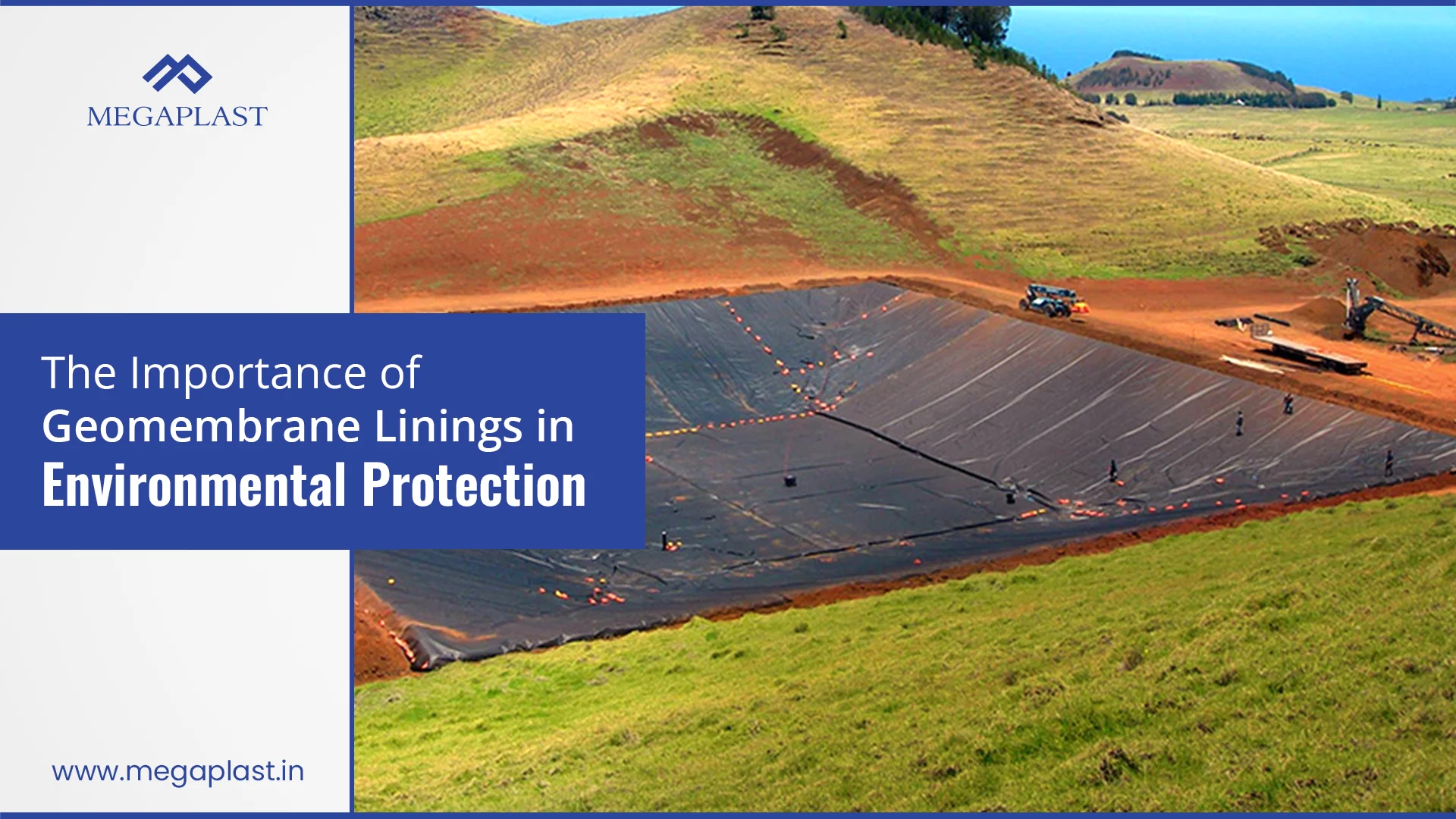
Geomembranes form low-permeability barriers that contain liquids and contaminants, separate dissimilar materials, and protect slopes and structural interfaces. They are widely used for water containment, leachate control in landfills, secondary containment for industrial tanks, and lining ponds and reservoirs.
Common geomembrane materials and products
High-density polyethylene (HDPE)
HDPE geomembranes are commonly specified for projects that require long-term chemical resistance and dimensional stability. Megaplast’s family of Mega HDPE Liners (including product lines such as Mega Diamond, Mega Platinum and Mega Gold) are positioned for high strength and resistance to puncture and chemicals. Learn more about geomembrane options on the Megaplast
Geomembranes and
HDPE Liners pages.
Linear low-density polyethylene (LLDPE)
LLDPE geomembranes offer greater flexibility and elongation than HDPE, which makes them well suited to dynamic substrates, irregular subgrades or sites subject to settlement and thermal movement. For projects such as landfill caps, leach pads, floating covers and certain water containment applications, consider the attributes of
LLDPE Liners from the MegaLiners range.
Pond liners and agricultural films
Pond liners used for fish ponds, agricultural ponds, water storage tanks and irrigation reservoirs are typically specified to balance durability, UV stability and low permeability. Megaplast’s
Pond Liners are described as 100% virgin PE, 0.5–2 mm thickness options with high UV stabilization — suitable where water retention and resistance to environmental degradation are priorities.
Product form and texture
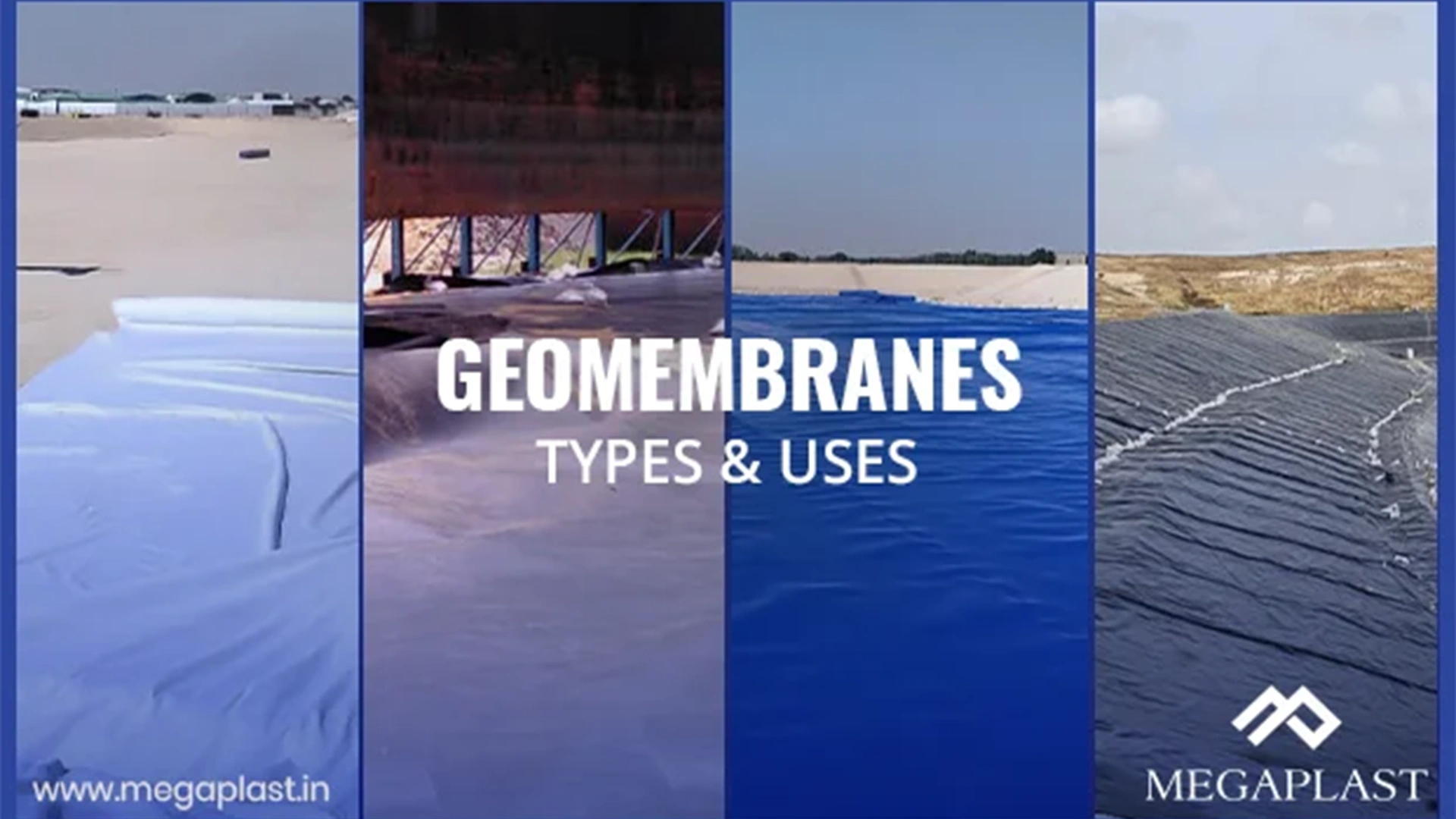
MegaLiners are available in smooth, single-textured and double-textured variants to match interface friction and construction requirements. Textured surfaces are often selected where enhanced interface shear is needed (for slopes, landfill final covers or geomembrane/geomaterial interfaces).
Typical applications and material recommendations
-
Water containment and aquaculture
For long-term reservoirs and pond linings, consider UV-stabilized pond liners or appropriately specified HDPE or LLDPE depending on substrate movement.
-
Landfills and leachate collection
HDPE is commonly used for primary containment due to chemical resistance; LLDPE is an option where higher elongation is required.
-
Mining and chemical process ponds
HDPE liners from the MegaLiners range are typically selected for chemical resistance and mechanical performance.
-
Secondary containment and oil/petrochemical installations
Impermeable geomembranes with demonstrated chemical and puncture resistance reduce the risk of soil and groundwater contamination.
When selecting a product, match the liner type (HDPE vs LLDPE), texture, and thickness to the project’s chemical exposure, substrate conditions, expected movement, and installation method.
Selection criteria for engineers and procurement teams
Consider the following when evaluating geomembrane options:
- Impermeability and chemical compatibility with site fluids.
- Tensile strength, puncture and tear resistance suited to construction and service loads.
- Elongation and flexibility where differential settlement or dynamic conditions are expected.
- UV stabilization for exposed installations and expected service life.
- Available textures to meet interface shear requirements.
- Manufacturer capabilities, quality control and production capacity.
Megaplast manufactures PE solutions with established capacity and infrastructure — 19+ years of operations, 400+ professionals, a 24,000 MT annual production capacity and a 300,000 sq. ft. manufacturing footprint — which can be relevant when specifying supply chain reliability.
Installation and lifecycle considerations
Proper subgrade preparation, protection layers (geotextiles or sand), qualified welding of seams and post-installation inspection are essential to achieve design performance. Common best practices include:
- Ensure the subgrade is free of sharp objects and is evenly graded.
- Use protective geotextiles where risk of puncture exists from rock or debris.
- Employ certified installers and perform destructive and non-destructive seam testing as required by project specifications.
- Plan for regular inspections and prompt repair of mechanical damage or anchor issues.
These measures extend service life and reduce whole-life cost by avoiding leaks and costly remediation.
Why choose Megaplast for geomembrane projects
Megaplast offers a range of geomembrane products under the MegaLiners family, including HDPE and LLDPE options, and pond liners tailored for agricultural and water-storage needs. Product variants (smooth, single- and double-textured) and manufacturing scale support both small and large projects. For more detail on the MegaLiners portfolio, see the
MegaLiners and broader
Geomembranes pages.
Conclusion
Geomembrane linings are a practical, field-proven component of environmental protection strategies across water management, waste containment, mining and agricultural applications. Selecting the correct polymer type, texture and installation approach — and working with an experienced manufacturer and installer — is key to long-term performance and compliance with project requirements.
Talk to Megaplast
If you need a tailored recommendation for HDPE, LLDPE or pond lining solutions,
request a quote or
contact Megaplast to discuss project specifics. You can also review product pages such as
MegaLiners to identify suitable variants, or email
info@mega-group.in for direct enquiries. Kindly direct your queries to info@mega-group.in. Alternatively, you may connect with us on WhatsApp at +91 83569 01123 or call us at +91 22 6106 6000.