How Manufacturers Gain Value from Trade Shows, Exhibitions and Conferences
In-person industry events remain one of the most efficient ways for manufacturers, engineers, procurement teams and agricultural managers to evaluate products, meet suppliers, and close deals. This guide explains how to set clear objectives for trade shows, what to inspect at a technical booth, and practical follow-up actions to turn conversations into procurement decisions.
Why attend trade shows, exhibitions and conferences
-
Efficient supplier evaluation
A single event lets you compare multiple vendors, review samples and ask technical questions on site.
-
Market and technology scanning
Conferences surface new materials, processes and service models relevant to packaging, geomembranes and agricultural films.
-
Targeted networking
Exhibitions attract focused audiences — for example, civil engineers and landfill operators for geomembranes, or farmers and aquaculture professionals for pond and agricultural films.
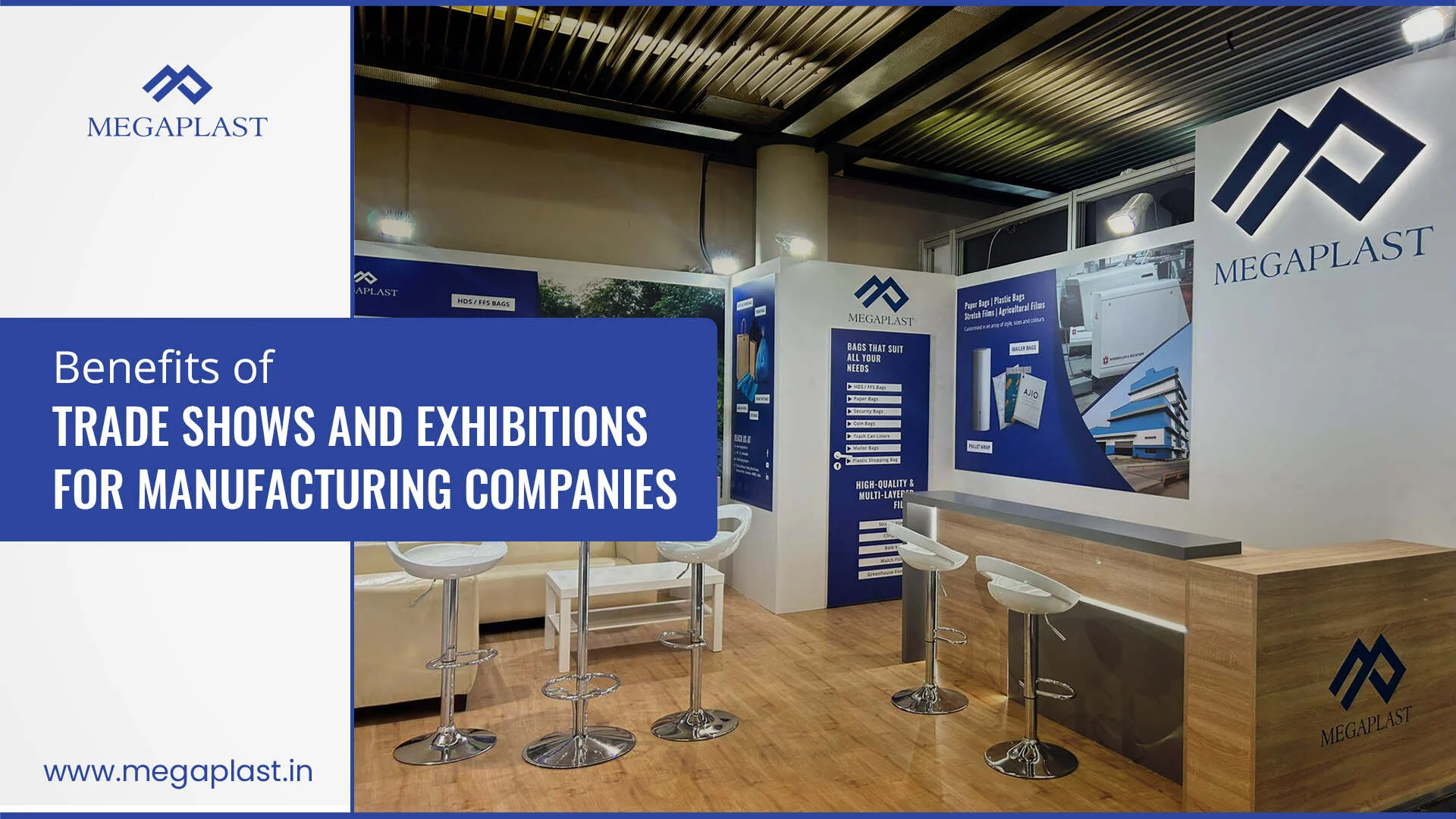
Megaplast uses these events to demonstrate products such as
MegaLiners and solutions in
industrial packaging, enabling direct technical dialogue with buyers and specifiers.
Define measurable objectives before you go
Set 2–4 clear goals for each event. Examples:
- Source a liner supplier for a specific application (cap, leach pad, floating cover).
- Compare material options for flexibility vs. puncture resistance (e.g., HDPE Liners vs LLDPE Liners).
- Obtain commercial terms and lead-time estimates for annual needs.
Write these objectives on one page and review them at the show to stay focused.
How to prepare: an efficient pre-event checklist
- Identify target exhibitors and pre-book meetings with shortlisted suppliers.
- Prepare a technical brief: required application, design loads, exposure (chemical, UV), installation method, and expected lifecycle.
- Bring sample acceptance criteria or test standards you require (e.g., tensile, puncture, permeability requirements) so suppliers can respond precisely.
- If evaluating pond or irrigation liners, note the product thickness range you need — for example, Pond Liners are commonly available in 0.5–2 mm ranges and are specified for UV stability and low permeability.
What to evaluate at a supplier booth (technical checklist)
-
Material composition and intended applications
Confirm whether the product is HDPE, LLDPE or a specialty film and why that polymer suits your use case.
-
Physical properties
The supplier should be able to demonstrate or document physical properties such as tear/puncture resistance, flexibility and UV stability rather than relying solely on marketing claims.
-
Sample availability and representativeness
Request full-spec samples or roll ends and ask for accompanying test reports.
-
Manufacturing capacity and lead times
Verify that the vendor can meet your volume requirements and delivery schedule.
-
Quality control and R&D support
Ask about on-site testing capabilities or an innovation centre that supports custom development.
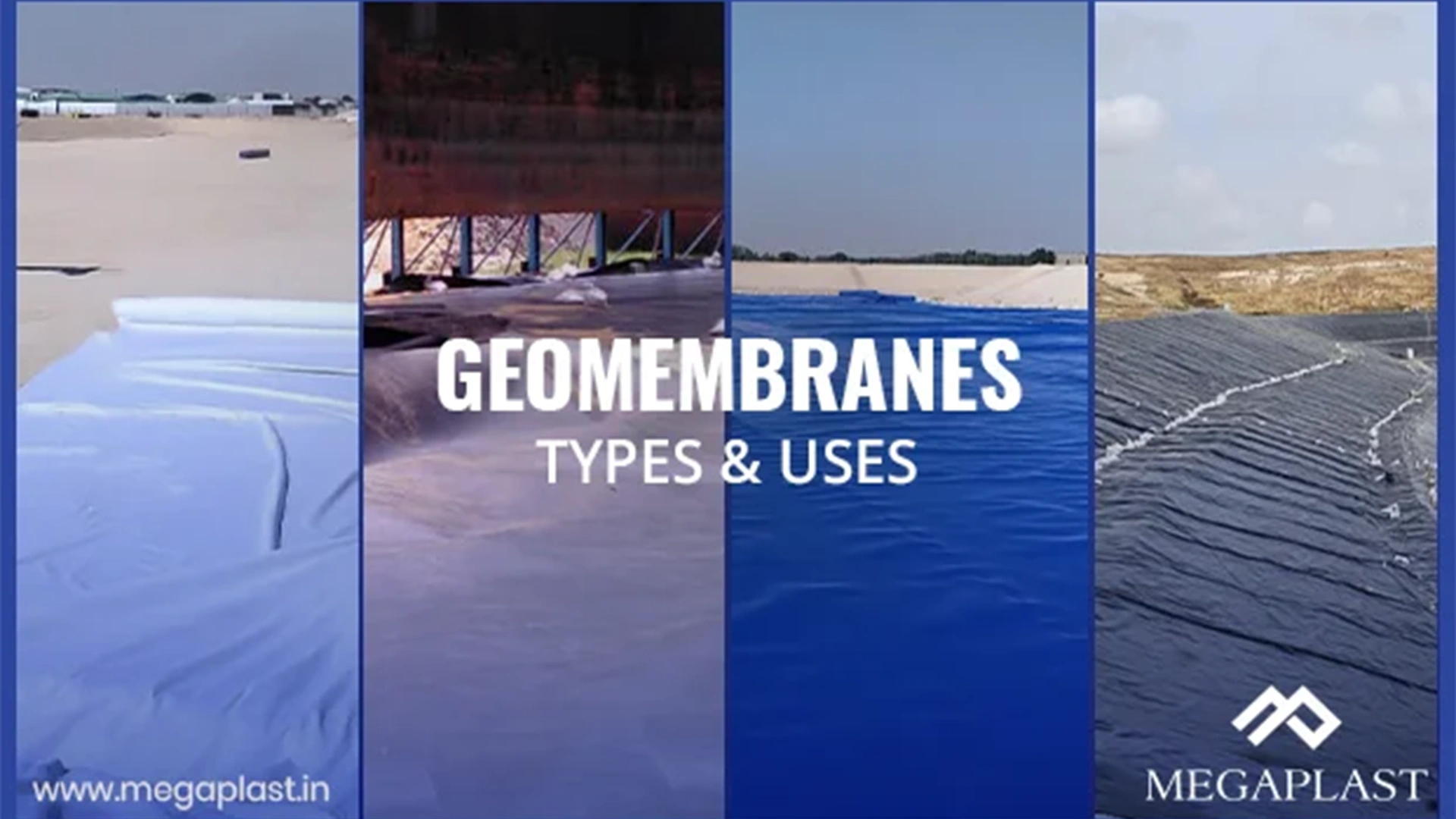
Megaplast highlights geomembranes such as
MegaLiners and product variants intended for strength and chemical/UV stability; use on-stand discussions to confirm specifics relevant to your project.
Questions to ask suppliers
- What testing standards do you use for tensile strength, puncture resistance and permeability?
- Can you provide third-party or in-house test reports for the lot I would receive?
- What is your typical lead time for repeat orders at my volume?
- Do you offer technical support during installation and post-installation monitoring?
Turning booth conversations into procurement outcomes
- Collect digital and physical materials, then immediately score vendors against your pre-defined objectives.
- Ask for written quotes with clear scope: quantities, lead times, warranty terms and installation support.
- Where technical negotiation is needed, arrange an off-site technical review or sample test program to validate claims.
- Maintain a 7–14 day follow-up rhythm: vendor replies within this window indicate responsiveness for commercial partnerships.
Special considerations for agricultural and aquaculture buyers
For pond and irrigation projects, prioritize UV-stabilized, virgin-material films and confirm compatibility with local water chemistry. If your application involves dynamic movement (floating covers, landfill caps), assess whether an
LLDPE liner variant is preferable for elongation, or an
HDPE liner when higher stiffness and puncture resistance are required.
Conclusion
Trade shows, exhibitions and conferences remain high-value forums for technical evaluation, competitive benchmarking and rapid supplier selection. With clear objectives, a short technical checklist and disciplined follow-up, engineers and procurement teams can convert brief face-to-face meetings into reliable long-term supply relationships.
Talk to Megaplast
Megaplast can provide technical samples, datasheets and commercial quotes for geomembranes and packaging solutions. To discuss project requirements or request tailored samples,
request a quote or
contact Megaplast. You can also email
info@mega-group.in or connect with us on WhatsApp at +91 83569 01123 for direct assistance.