Geomembrane Liners in Mining: Selecting HDPE and LLDPE Solutions for Containment
Mining sites must manage corrosive process solutions, heavy-metal-containing effluents and large volumes of water. Proper geomembrane selection and installation are essential to contain fluids, protect soils and groundwater, and reduce operational risk. This guide summarizes common geomembrane types, typical mining applications, and practical selection and installation considerations relevant to engineers, procurement teams and project managers.
Why geomembranes matter in mining
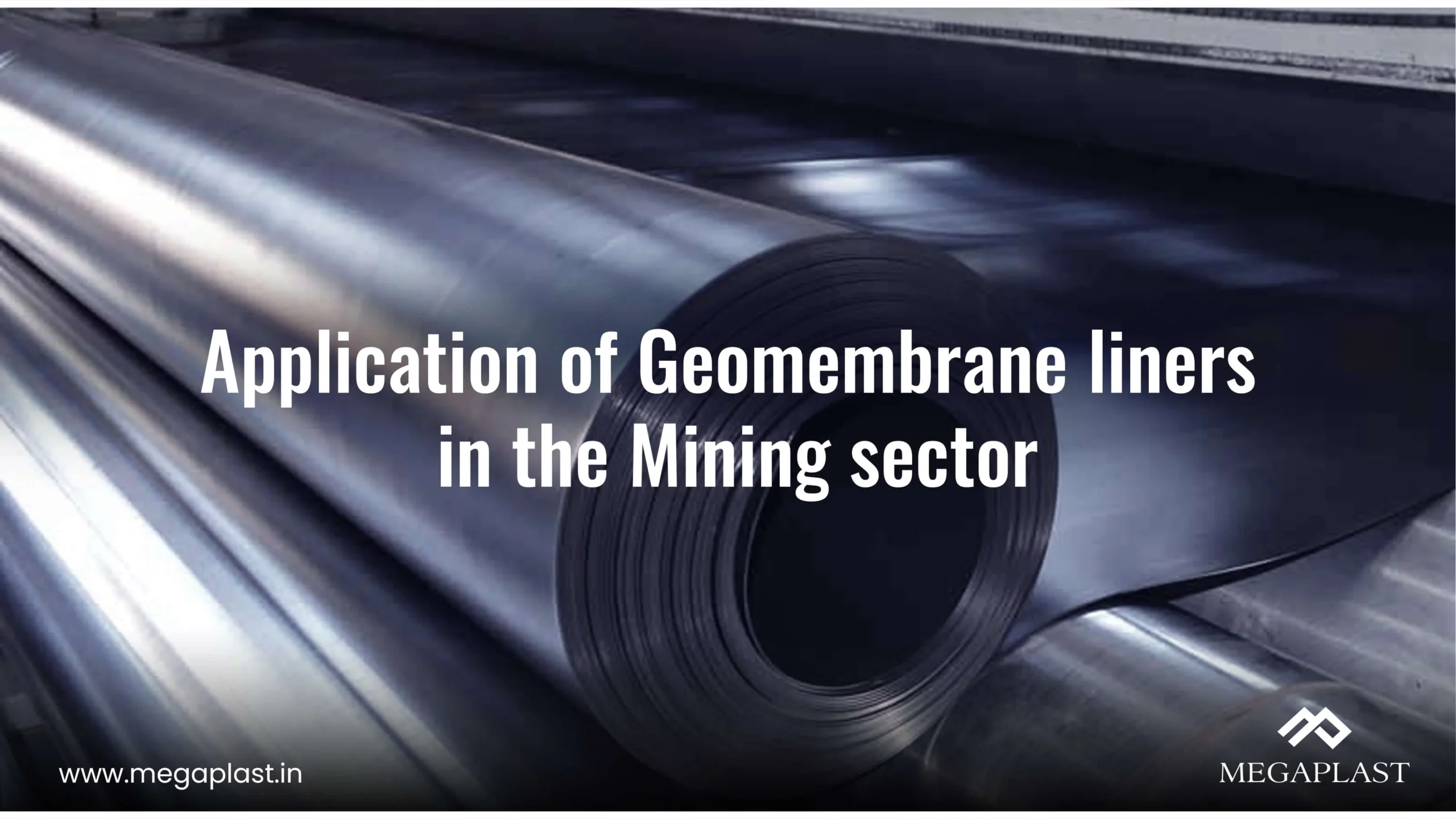
Geomembranes act as impermeable barriers that prevent process fluids and contaminants from contacting soil and groundwater. In mining they are used to line and cap leach pads, tailings storage facilities, process ponds and secondary containment systems. Key benefits include minimising leakage, enabling controlled recovery of solutions (e.g., heap leaching), and simplifying environmental monitoring and closure activities.
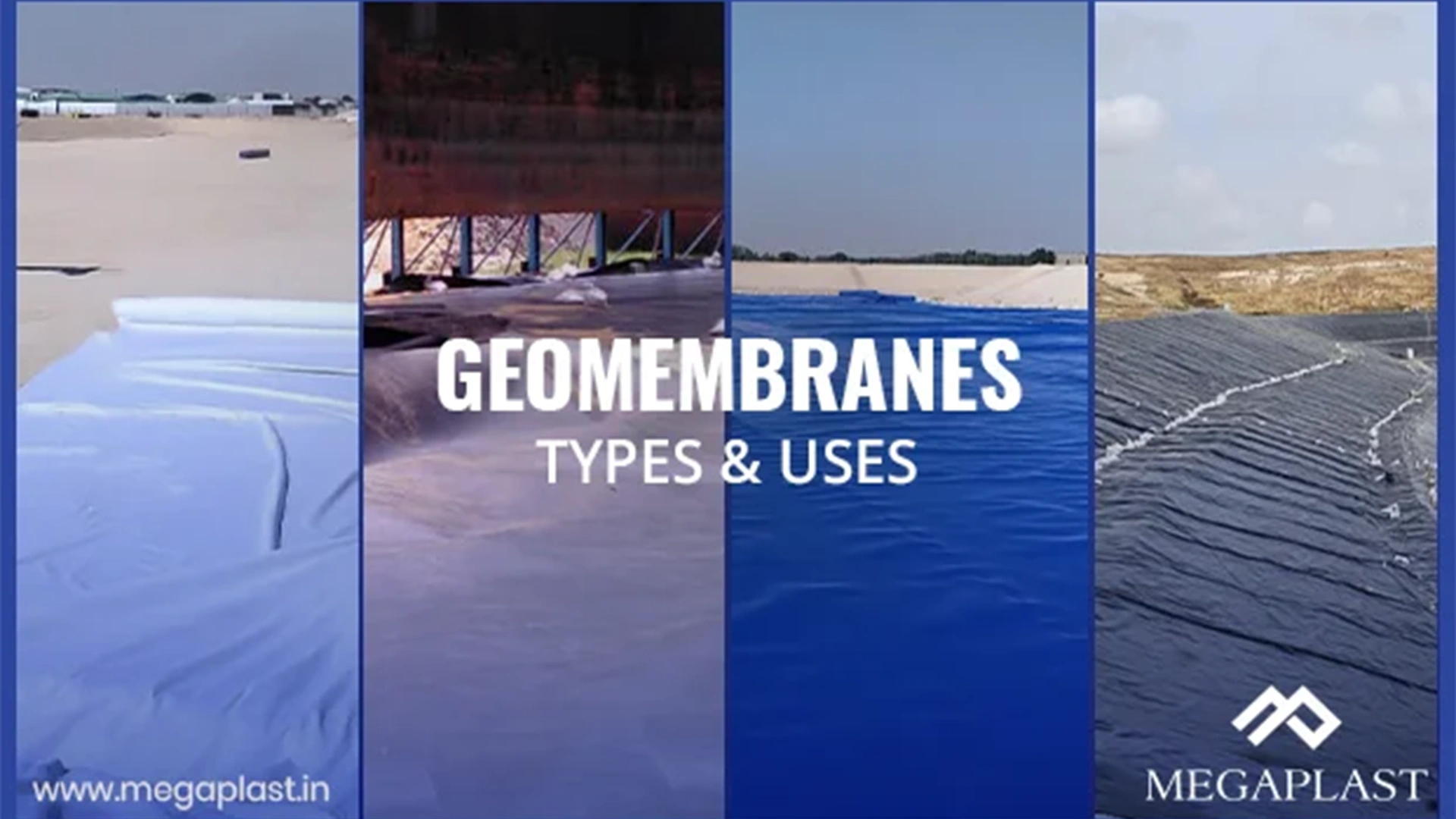
Geomembrane types and their strengths
HDPE geomembranes
High-density polyethylene (HDPE) geomembranes are valued for low permeability, chemical resistance and dimensional stability. These properties make HDPE a common choice for leach pads, process ponds and long-term containment. Megaplast’s
MegaLiners range includes HDPE options (see
HDPE Liners) designed for strength and resistance to many chemical environments.
When specifying HDPE, evaluate chemical compatibility with process fluids, expected temperatures, and mechanical stresses from equipment or stored materials.
LLDPE geomembranes
Linear low-density polyethylene (LLDPE) offers greater flexibility and elongation than HDPE, improving puncture and stress-crack resistance where settlement, irregular subgrades or dynamic loads are expected. LLDPE is often chosen for applications that require resilience under deformation, such as flexible pond liners and floating covers. See Megaplast’s
LLDPE Liners for product options.
Typical mining applications
-
Leach pads
Geomembranes form the impermeable layer beneath ore heaps to collect leachate. Selection focuses on chemical compatibility and robust seam welding to limit leaks.
-
Tailings storage and ponds
Liners prevent seepage from stored tailings and process water. HDPE is commonly used for large-volume, long-term containment; LLDPE can be preferred where differential settlement or puncture risk is higher.
-
Process and evaporation ponds
Liners reduce losses and enable recovery of dissolved metals or reagents. Dual-liner systems and leak detection are often employed for higher-risk ponds.
-
Covers and closure systems
Geomembranes used in final capping minimise infiltration and contaminant migration during closure and reclamation.
Leak detection and quality assurance
For higher-risk installations, conductive geomembranes (a coextruded conductive layer) enable spark or continuity testing to locate leaks after installation. Independent inspection, weld testing and a documented quality assurance/quality control (QA/QC) program are critical to ensure long-term performance. Engage experienced installers and specify post-installation testing appropriate to the project risk profile.
Selection and installation considerations
-
Chemical compatibility
Match liner material to expected process fluids (acids, cyanide-bearing solutions, salts) and temperature conditions.
-
Mechanical protection
Use geotextile cushions, drainage layers or protective cover soils where sharp objects or heavy equipment could cause punctures.
-
Seam quality
Specify field seaming procedures, qualified welders and destructive seam testing when necessary.
-
Drainage and leak collection
Design leak detection and collection layers where required by regulation or project risk tolerance.
-
Documentation and traceability
Maintain material certifications, QA records, and as-built documentation for regulatory compliance and long-term monitoring.
Why choose Megaplast for mining geomembranes
Megaplast manufactures polyethylene geomembranes and related products with a focus on industrial and agricultural applications. The company’s product range, including
MegaLiners, covers HDPE and LLDPE options tailored for containment tasks. Megaplast operates with more than 19 years of experience, a large manufacturing footprint and an Innovation Centre that supports product development and testing. For smaller storage or irrigation needs, Megaplast also supplies purpose-built
Pond Liners.
Conclusion
Selecting the right geomembrane for mining requires balancing chemical resistance, mechanical durability and installation quality. HDPE and LLDPE each have roles depending on site conditions and risk profile. Specify materials to match process chemistry, plan protective measures for mechanical hazards, and require comprehensive QA/QC and leak-detection strategies to protect soils and groundwater.
Talk to Megaplast
If you need technical guidance or a customised geomembrane solution for a mining project,
request a quote or
contact Megaplast to discuss HDPE and LLDPE options such as
HDPE Liners and
LLDPE Liners. You can also email your requirements to
info@mega-group.in or for quick connect, reach out to us on WhatsApp at +918356901123 for direct support.