Geomembranes in Hydroelectric Projects: Applications, Materials and Installation Guide
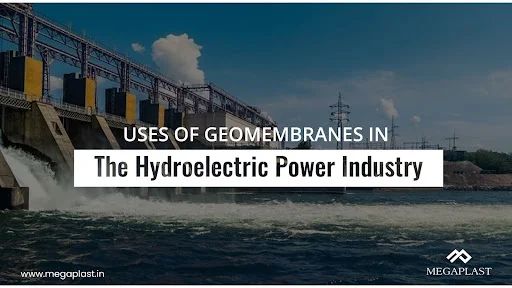
Geomembranes are flexible polyethylene liners commonly used in hydroelectric construction to control seepage, protect water quality, and manage sediments. This article summarizes practical applications, material choices, installation considerations, and procurement tips so engineers, project managers, and procurement teams can evaluate geomembrane solutions effectively.
Common Applications of Geomembranes in Hydroelectric Projects
- Reservoir and Dam Liners: Geomembranes are used to reduce seepage through reservoir beds and embankments, protect upstream slopes, and minimise internal erosion risks.
- Canal and Conveyance Lining: Liners help preserve flow efficiency by preventing water loss along channels feeding turbines.
- Contamination Control and Environmental Protection: Liners create barriers to limit the migration of contaminants from nearby industrial or construction activities into water bodies.
- Sedimentation and Settling Ponds: Lining pond bottoms and sides maintains water quality and prevents sediment-laden water from infiltrating surrounding soils.
- Temporary Cofferdams, Floating Covers, and Emergency Containment: Flexible liners are also suitable for temporary water control and spill containment during construction.
Megaplast supplies a range of geomembrane products suited to these uses. Explore the company’s Geomembranes and MegaLiners for product options.
Material Selection: HDPE vs LLDPE and Product Families
Material selection depends on project-specific mechanical, chemical, and environmental demands.
- HDPE (High-Density Polyethylene): HDPE liners offer high stiffness, strong puncture and tear resistance, and excellent chemical and UV stability. Megaplast’s HDPE Liners such as the Mega Diamond, Mega Platinum, and Mega Gold series are positioned for strength-critical installations.
- LLDPE (Linear Low-Density Polyethylene): LLDPE provides greater flexibility and elongation, making it suitable where dynamic ground movement or uneven foundations are expected. See Megaplast’s LLDPE Liners for flexible-liner applications such as caps, leach pads, and floating covers.
- Pond Liners: For fish farms, agricultural ponds, and water-storage basins, Megaplast lists Pond Liners described as high-quality PE, 0.5–2 mm, 100% virgin PE, low permeability, and highly UV-stabilized. These attributes are relevant where water quality and durability are priorities.
When selecting between material types, evaluate expected loads, contact chemicals, UV exposure, puncture risk, and the long-term service temperature range.
Design and Installation Considerations
- Seaming and Welding: Proper overlap and factory-qualified welding are critical to seam integrity. Specify welding procedures, qualified welders, and destructive and nondestructive seam testing requirements in procurement documents.
- Anchorage and Termination: Design secure anchorage at berms, headwalls, and structures to prevent uplift or slippage. Use appropriate ballast, toe trenches, or mechanical anchors according to site conditions.
- Protection from Damage: Temporary protection such as geotextiles, sand layers, or rock protection shields liners during backfill and protects them from debris or heavy equipment.
- UV Exposure and Weathering: Choose UV-stabilized formulations for long-term exposed service. Consider partial burial or protective coverings where prolonged direct sunlight is expected.
- Chemical and Abrasion Resistance: Confirm compatibility with any process or groundwater chemistry the liner may contact. Select HDPE or LLDPE grades accordingly.
Inspection, Testing and Maintenance
- Pre-Installation: Request material certificates, sample panels, and factory production data. Where available, use the manufacturer’s technical resources and Innovation Centre testing capabilities to validate performance claims.
- Field Testing: Implement seam testing protocols such as vacuum box testing, spark testing, and peel/shear tests where specified. Maintain records of weld inspections throughout installation.
- Routine Inspection: Schedule periodic visual inspections for UV degradation, punctures, seam failures, or anchorage issues. Keep a maintenance log and establish a clear repair procedure.
Megaplast supports projects with technical resources and an Innovation Centre that can assist with product selection and testing guidance.
Procurement Checklist for Hydroelectric Projects
- Define performance requirements covering mechanical, chemical, thermal, and UV conditions.
- Specify the liner family, such as HDPE or LLDPE, with acceptable product series such as MegaLiners and the required thickness or test criteria.
- Require documented welding qualifications and seam testing protocols.
- Include protection and anchorage design details in the scope of supply or installation tender.
- Request factory documentation, sample panels, and availability lead times. Megaplast’s manufacturing scale and capacity provide supply reliability.
Conclusion
Geomembranes are a practical, proven option for seepage control, contamination protection, and sediment management in hydroelectric projects when material selection, installation, testing, and maintenance are carefully specified. Working with an experienced supplier helps ensure the liner system meets the project’s mechanical and environmental requirements.
Talk to Megaplast
To discuss specifications or get a project quote for MegaLiners or other geomembranes, request a quote or contact Megaplast. Our team can review application details and advise on HDPE or LLDPE options. Email info@mega-group.in or call +91 22-61066000 for technical and commercial support.