Geomembrane Liners for Pisciculture: Water Management, Biosecurity and Better Yields
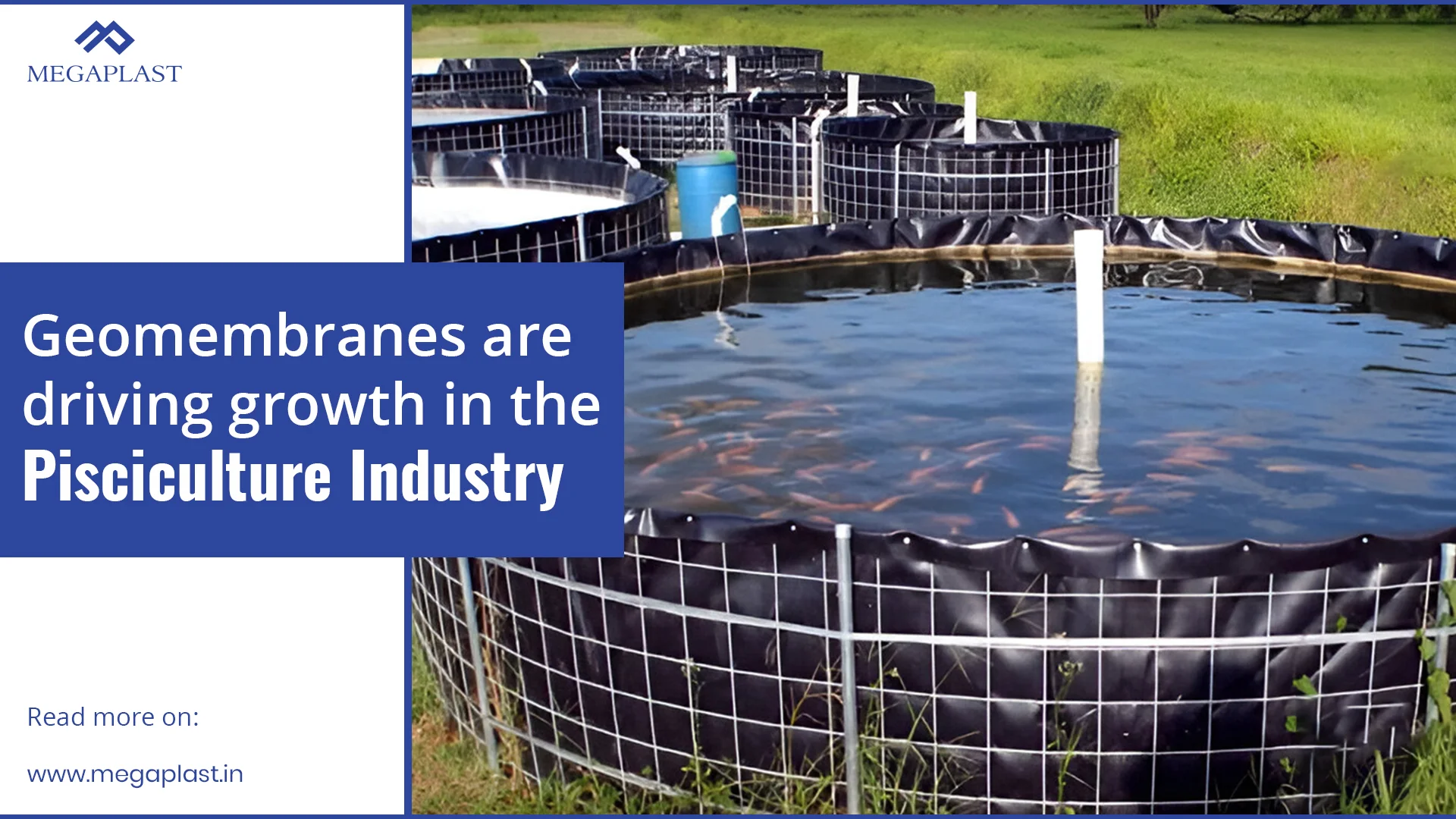
Aquaculture ponds are increasingly moving from traditional earthen systems to engineered lined systems to reduce water loss, improve biosecurity and stabilise operating costs. Proper geomembrane selection and installation can help farmers, engineers and procurement teams manage water resources, reduce contamination risks and improve operational predictability.
Why geomembranes matter in pisciculture
Geomembrane liners provide a physical barrier between pond water and the native soil. This barrier:
- Reduces seepage and helps maintain water levels with lower pumping needs.
- Limits soil-borne contamination and organic matter ingress that can degrade water quality.
- Creates smoother, easier-to-clean pond surfaces that support routine hygiene and disease control.
For manufacturers and farm managers, these advantages translate into more stable production conditions and clearer choices when evaluating capital and operating costs.
Common pond challenges
Earthen ponds often face:
- Seepage and evaporation losses that increase water sourcing and pumping costs.
- Soil contamination and turbidity from bank erosion or runoff.
- Difficulty in controlling pathogens and parasites that persist in sediments.
Lined ponds address many of these issues by separating the culture water from variable soil conditions.
How liners address seepage, water quality and biosecurity
Appropriately selected liners reduce hydraulic losses and help maintain predictable water chemistry. Smooth or textured geomembrane surfaces are easier to inspect and disinfect, and when combined with regular management (filtration, aeration, monitoring), support better fish health outcomes. Liner systems also simplify pond cleaning and reduce downtime during maintenance.
Choosing the right liner: HDPE vs LLDPE
Megaplast offers geomembrane options tailored to different operational needs:
- Mega HDPE Liners are engineered for high strength and resistance to puncture and chemical attack. These liners are suitable where mechanical durability and long-term stability are priorities; see Megaplast’s HDPE Liners. Specific product grades such as Mega Diamond, Mega Platinum and Mega Gold address different performance and budget points.
- Mega LLDPE Liners provide greater flexibility and elongation, which can be advantageous in sites with ground movement or where conformability over irregular contours is required. Learn more about LLDPE Liners.
Megaplast’s
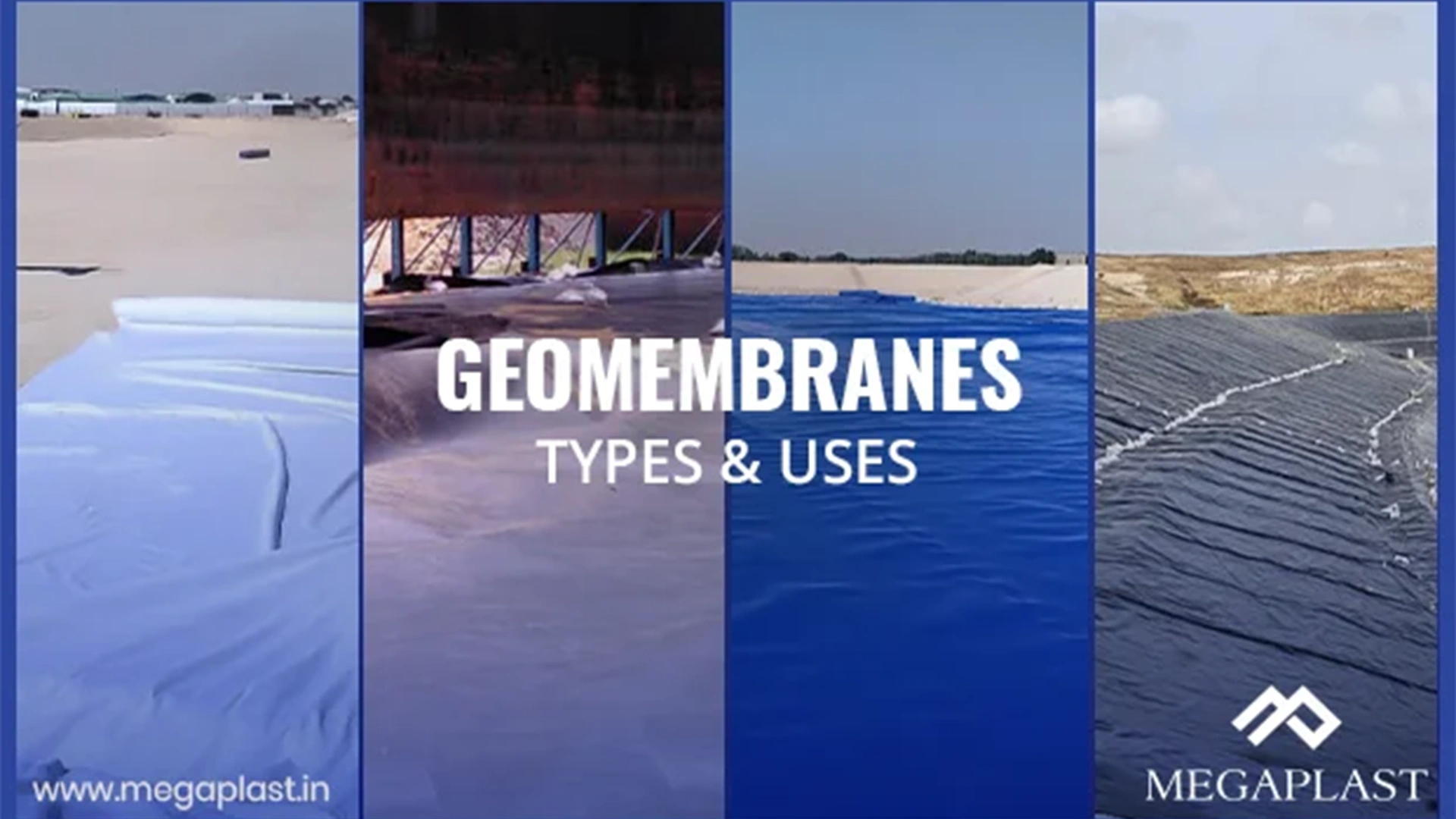
MegaLiners portfolio includes smooth, single-textured and double-textured variants to match installation and performance needs.
Pond Liners: specifications relevant to pisciculture
Megaplast’s
Pond Liners are manufactured from 100% virgin PE and are offered in thicknesses commonly used in aquaculture (0.5–2 mm). They are described on the product page as low-permeability and highly UV-stabilized — attributes important for outdoor fish farms where sunlight exposure and long service life are considerations.
Design and installation considerations
To maximise liner performance in aquaculture projects, consider the following:
-
Site assessment
check subgrade conditions, presence of sharp objects, groundwater levels and access for installation equipment.
-
Preparation
remove stones and roots, and place a geotextile cushion where needed to prevent punctures.
-
Seaming and anchoring
use trained welders and quality control procedures for seams; design secure anchors for long-term stability of banks and apron areas.
-
Protection
install rock-free drain areas, toe-anchors and concrete collars at inlets/outlets to avoid abrasion.
-
Monitoring and maintenance
implement routine inspection, water-quality monitoring and scheduled cleaning procedures to sustain biosecurity.
These steps reduce the risk of installation damage and prolong the functional life of the liner system.
Economic and environmental considerations
While a lined pond represents an upfront capital expense, the predictable reductions in water use, lower frequency of dredging/cleaning, and improved stock health can improve operating margins over time. From an environmental perspective, liners reduce seepage into surrounding soils and groundwater and can help farms meet local water-use objectives.
Selecting a supplier
When evaluating suppliers, procurement teams should request product datasheets, material traceability (e.g., confirmation of virgin PE content), installation support and references for similar aquaculture projects. Megaplast’s manufacturing footprint, dedicated
Geomembranes range and in-house capabilities are positioned to support commercial deployments at scale.
Conclusion
Geomembrane liners are a practical tool to improve water management, biosecurity and operational consistency in pisciculture. Selecting the correct material (HDPE or LLDPE), preparing the site properly and following sound installation and maintenance practices are key to achieving the expected benefits.
Talk to Megaplast
Megaplast can help assess liner options for your aquaculture project and provide product and installation guidance. To explore lined-pond solutions,
request a quote or
contact Megaplast. You can also reach the team at
info@mega-group.in connect with us on WhatsApp at +91 83569 01123 for project-level queries.